
Last updated November 15, 2026
 Wrought iron
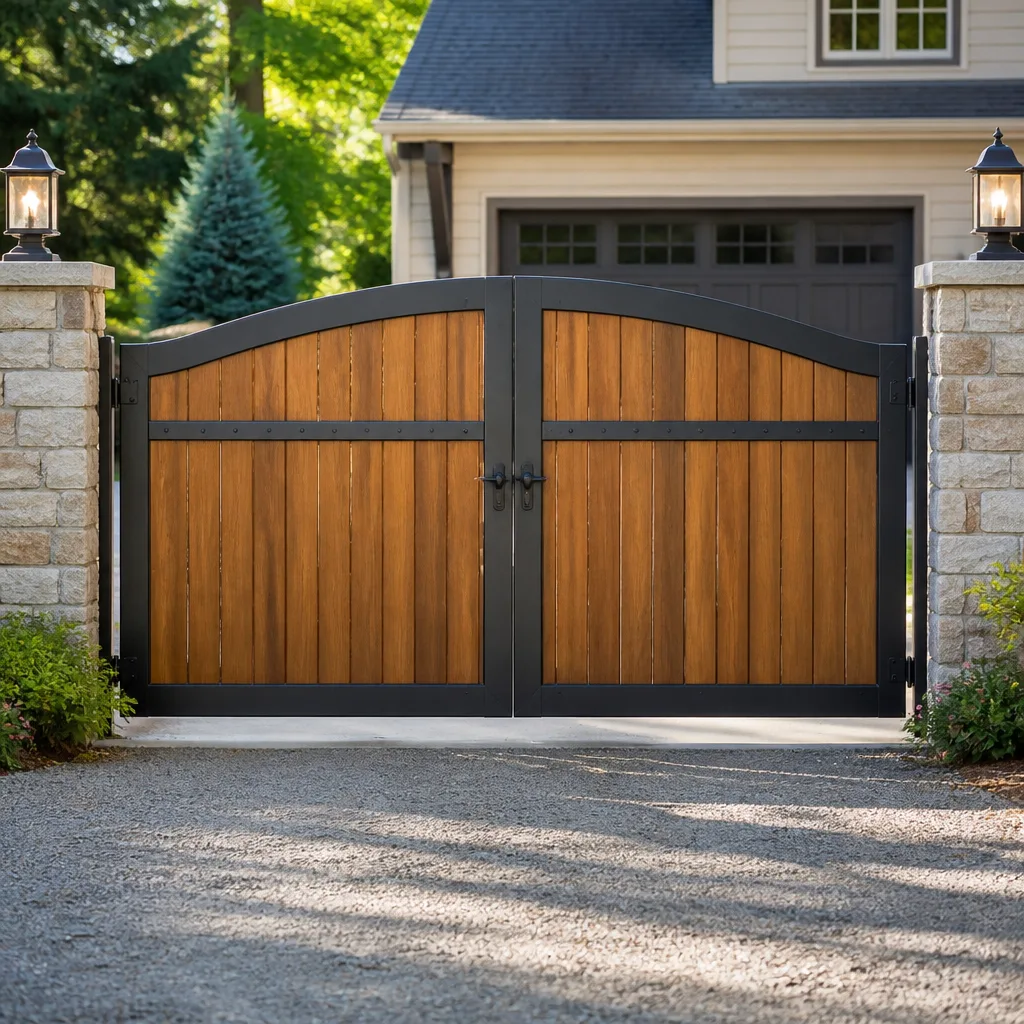 Wood & steel frame
 Farm & ranch
 Sliding driveway gates
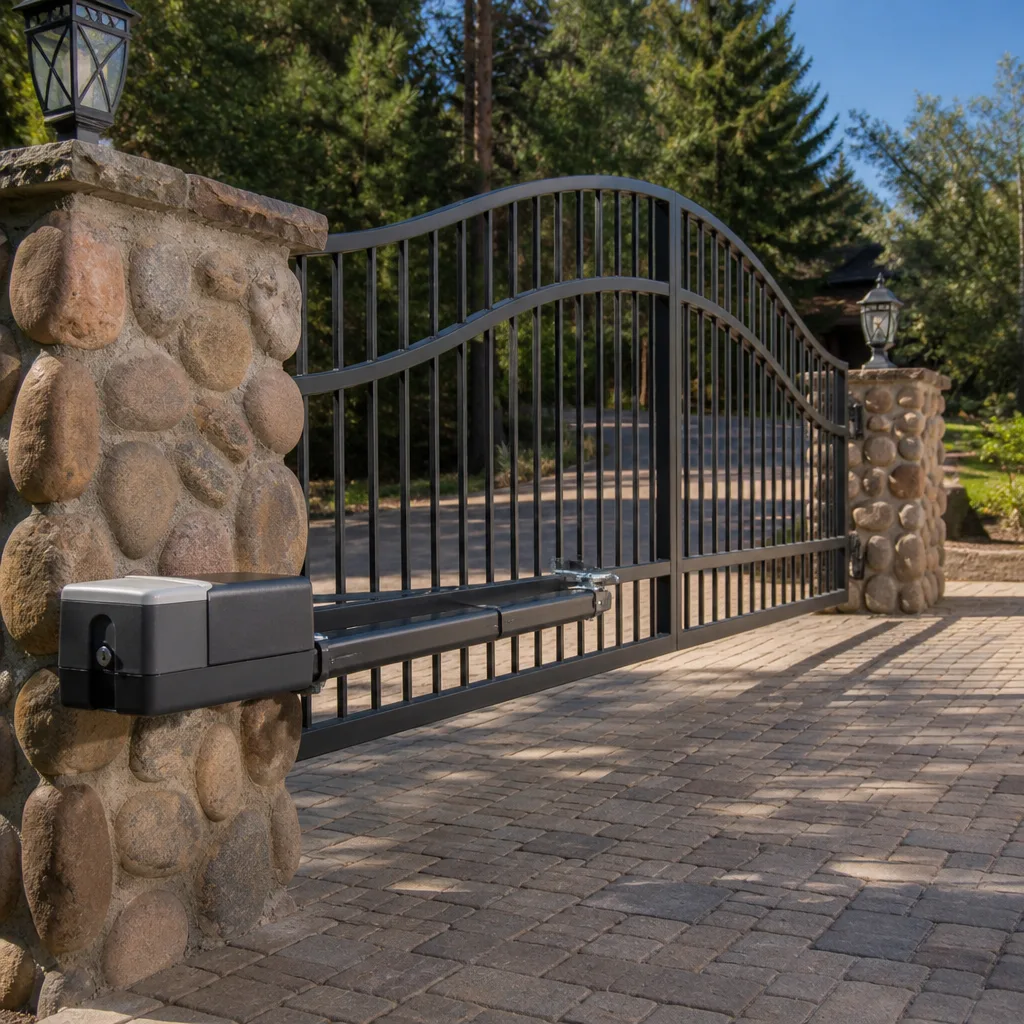 LiftMaster operators
Free on-site gate assessment - hinges, posts, and your LiftMaster or Nice gate operator checked before anything is quoted
The assessment is free and the quote is the invoice.
Get your free estimateGate Repair Maintenance Schedule: What to Do and When
Most gate maintenance advice you’ll find is written for a climate that doesn’t exist here. It tells you to “inspect annually” and “lubricate as needed,” which sounds reasonable until you watch what a Laredo dry season does to a limit switch. Caliche dust settles into every moving part, summer heat cooks lubricant into gum, and the occasional hard freeze arrives just long enough to stiffen a gate that was already struggling. Gates in Laredo don’t run on a 365-day maintenance clock. They run on a roughly 90-day one. This guide lays out a quarter-by-quarter calendar built around local conditions, walks through the 10 components that actually matter and how often each needs attention, explains which lubricants survive 100°F-plus heat and which ones quietly make things worse, and draws a clear line between what you can safely check yourself and what needs a technician.
Quick Answer
A gate in Laredo should be inspected roughly every 90 days, with a deeper service in late spring before the heat peaks and another in late fall before the cool season. The most-touched items are the hinges, rollers and track (monthly), the safety photo-eye sensors (monthly), the limit switches (quarterly, because caliche dust fouls them first), and the battery backup (tested quarterly, replaced on the operator maker’s schedule). Annual service alone is not enough here, because dust and heat both work faster than the calendar most manufacturers print.
Styles & brands we work with
- Wrought iron
- Wood & steel frame
- Farm & ranch
- Sliding driveway gates
- LiftMaster operators
Table of Contents
- Why a 90-Day Clock Beats an Annual Tune-Up in Laredo
- The Laredo Gate Maintenance Calendar, Quarter by Quarter
- The 10 Components to Inspect and How Often
- Lubrication in Extreme Heat: What Works and What Backfires
- How to Log Gate Performance and Catch Slow Decline Early
- What You Can Safely Do Yourself vs. What Needs a Technician
- Maintenance for Electric and Automated Gates
- Common Mistakes to Avoid
- When to Call a Professional
- Frequently Asked Questions
- The Bottom Line
Why a 90-Day Clock Beats an Annual Tune-Up in Laredo
Manufacturer maintenance charts are written for a generic average. Laredo is not average. Three local conditions compress the interval between services, and none of them show up in a typical owner’s manual.
The first is dust. During the dry season, fine caliche dust and street grit migrate into every open mechanism on a gate: the limit switches inside the operator housing, the photo-eye lenses at the posts, the roller bearings, the latches. That dust doesn’t announce itself. It just makes each cycle a little harder, and each harder cycle wears the part a little faster. By the time a gate “suddenly” stops, the switch it depends on has usually been drifting for months.
The second is heat. Summer afternoons push gate operators and their wiring toward the upper end of what the equipment is rated for. Heat thins lubricants, stresses control boards, and drains batteries that are expected to hold a charge for the next power interruption. Equipment that runs at 90°F all year lasts measurably longer than the same equipment cycling at 100°F or more in direct sun.
The third is the occasional hard freeze. It’s rare here, but a gate that was already binding will seize up fast when the temperature drops, and a battery that was already weak will fail the moment it’s asked to carry the gate. A pre-cool-season inspection catches both before they become a morning problem.
Put those three together and you get a maintenance rhythm that runs on a 90-day cycle. That’s the schedule this guide is built around, and it’s the same rhythm our technicians work to when they handle gate repair across the city.
The Laredo Gate Maintenance Calendar, Quarter by Quarter
A year of gate maintenance here has four distinct phases, each with its own priorities. Map them to the seasons and the calendar starts to make sense.
First quarter: after the dry season’s peak
- Clear caliche dust from limit switches, photo-eye lenses and the operator housing vents
- Inspect hinges, rollers and track for grit buildup and early wear
- Clean and relubricate all moving parts with a dry-film or dust-resistant product
- Test the battery backup under load, not just for voltage
- Check the gate’s alignment and the posts for settling
Second quarter: before the summer heat peak
- Deep service the operator: motor, control board, capacitor, and all wiring connections
- Inspect wiring insulation for sun damage and heat cracking
- Check that the operator’s thermal protection is functioning, so it can shut down safely on a hot afternoon
- Verify safety sensors and any loop detectors
- Confirm the gate opens fully without straining, since strain becomes heat
Third quarter: mid-summer durability check
- Recheck lubricant condition; heat can bake it into gum in a matter of weeks
- Inspect the battery again, because summer heat ages batteries faster than any other season
- Check the operator housing for dust accumulation and clear it
- Look for loose hardware or bolts that have worked free from vibration
Fourth quarter: pre-cool-season readiness
- Test the battery backup for a full open-and-close cycle on standby power
- Inspect hinges and latches for the stiffness that a cold snap will exaggerate
- Recheck limit switches, since a gate that overshoots is a gate that will fail on the first cold morning
- Clear any debris from the track and the gate’s travel path
- Confirm the manual release works cleanly in case of power loss
If you’d rather not track this yourself, a trained eye on a quarterly visit catches all of it. We handle electric gate repair and scheduled service throughout the area, and we’re happy to walk you through what a visit would cover.
The 10 Components to Inspect and How Often
Every gate has the same basic set of wear points. Here are the ten that matter most, in order of how fast they typically degrade in this climate, with the interval we recommend for each.
- Hinges and pivots (monthly). They carry the full weight of the gate and collect grit at every cycle. Check for stiffness, squeaks and visible looseness. A hinge that binds puts strain on the operator motor.
- Rollers and track (monthly for sliding gates). Rollers flatten and track grooves fill with dust. Wipe the track, spin each roller, and listen for grinding.
- Photo-eye safety sensors (monthly). These are the sensors that stop the gate if something is in its path. Dust and cobwebs on the lenses cause nuisance reversals or, worse, a failure to detect. Wipe the lenses and confirm the indicator light is steady.
- Limit switches (quarterly). The limit switches tell the operator where the gate should stop. Caliche dust is the number-one cause of limit-switch drift here. When they’re off, the gate overshoots, strains, or reverses unexpectedly.
- Battery backup (test quarterly, replace on the maker’s schedule). Heat shortens battery life, so a battery that’s rated for years elsewhere may fail sooner in Laredo. Test it under load, not just for voltage.
- Control board and capacitors (inspected quarterly, serviced as needed). Look for heat discoloration, corrosion at the terminals, and bulging capacitors. This is where a technician earns their keep.
- Motor and gearbox (quarterly). Listen for a change in sound. A healthy motor hums; a failing one whines, clicks or groans. Check for oil weeping at the gearbox seals.
- Loop detectors (quarterly for vehicle-detection loops in the driveway). Loops can fail from ground settling or moisture infiltration, causing the gate to stay open or refuse to close.
- Wiring and connections (quarterly, with the deep service). Sun and heat crack insulation, and loose terminal screws cause intermittent faults that are hard to diagnose.
- Gate structure and posts (semi-annually, more often if the gate is heavy). Check for sagging, rust at the welds, and post movement. A gate that’s out of square works harder every cycle.
If you print nothing else from this guide, print that list. It’s the checklist we work from when we service a gate, and it applies whether it’s an Elite residential swing gate or a LiftMaster commercial operator.
Lubrication in Extreme Heat: What Works and What Backfires
Lubrication is the single most misunderstood part of gate maintenance, and the most consequential in a hot, dusty climate. The wrong product doesn’t just fail to help. It actively accelerates wear by turning into a dust magnet.
What to use
- Dry-film or PTFE lubricants on hinges, pivots and latches. They leave a thin, non-tacky film that won’t grab dust and holds up to heat.
- Silicone spray on rollers and track, applied sparingly and wiped down so it doesn’t collect grit.
- Synthetic or high-temperature grease inside gearboxes, matched to the operator maker’s spec. Heat-resistant synthetic greases hold their film at 100°F-plus where conventional grease thins out.
- Dielectric grease on electrical connections, to keep moisture and dust out of terminals.
What to avoid
- General-purpose motor oil on hinges and latches. It runs off in the heat and leaves the surface dry within days.
- WD-40-style penetrating oils as a substitute for proper lubrication. They work as a short-term fix and evaporate quickly, and some leave a residue that grabs caliche dust.
- White lithium grease in exposed locations. It’s tacky, which is exactly wrong for a dusty environment, and it can gum up in sustained heat.
- Any lubricant on the photo-eye lenses or limit-switch contacts. Lube attracts dust, and dust is the enemy of both.
A simple rule we apply everywhere: if a lubricant feels sticky on your fingers, it doesn’t belong on an exposed part in Laredo. Save the sticky stuff for sealed gearboxes, and use dry films everywhere dust can reach. This is also why a technician’s quarterly visit matters. We use products and quantities matched to the surface and the season, not to the label on a can.
How to Log Gate Performance and Catch Slow Decline Early
Gates almost never fail without warning. They decline. A gate that takes three seconds longer to open than it did in spring is telling you something. A gate that beeps once, or reverses once at the same spot, is telling you something. The trouble is we stop noticing because the change is gradual. A simple log fixes that.
What to record each month
- Open and close time. Time the full cycle with your phone. Note it. Even a few seconds of drift is data.
- Noises. Squeaks, grinding, clicking, whining. Write them down, and note if they’re new.
- Alignment. Does the gate still meet the post cleanly? Any growing gap or rub?
- Reversals and any time the gate stops, backs up or beeps without clear cause.
- Sensor behavior. Does the indicator light flicker when the sun hits it? Does the gate fail to close on certain days?
- Battery backup results when you test it. Note how far the gate travels on standby power.
- Weather notes. Which problems show up after a wind event, a rainstorm or a cold snap.
After two or three months, the log does the diagnosing for you. A pattern of slow opening in hot afternoons points to heat-related strain. A pattern of reversals when the sun hits the sensor points to a failing photo-eye. A pattern of overshoot points to limit-switch drift. When you do call a technician, the log turns a vague “sometimes it doesn’t work” into a specific, diagnosable problem, which saves both time and money.
If you’ve got a commercial entry or an HOA gate, keep the log in a shared note so a change of on-site staff doesn’t wipe out the history. We’ve seen how much faster a fix comes together when the log walks in with the caller.
What You Can Safely Do Yourself vs. What Needs a Technician
We’d rather you understand your gate than feel talked down to about it, so let’s be blunt about the line. Plenty of routine maintenance is well within a homeowner’s reach. A few items are not, and the reasons are practical, not gatekeeping.
Safe to do yourself
- Wiping dust and grit from the track, rollers and photo-eye lenses
- Visually inspecting hinges, latches and hardware for looseness
- Checking the battery indicator and testing the manual release
- Clearing debris from the gate’s travel path
- Applying a dry-film lubricant to exposed hinges and latches, following the label
- Keeping the performance log described above
Needs a technician
- Any work inside the operator housing: motor, control board, capacitors, wiring
- Limit-switch adjustment, because a gate that stops in the wrong place can crush or strike
- Photo-eye sensor alignment and loop-detector testing
- Battery backup replacement on systems with complex wiring
- Anything involving the power feed to the gate
- Structural work: posts, brackets, gates that have gone out of square
The reason those last items need a technician is simple. A gate is heavy, it’s automated, and it moves without waiting for a person to get out of the way. Limit switches and safety sensors are what keep it safe when it does. Getting those settings wrong isn’t a matter of a slightly off gate. It’s a matter of a gate that could strike a person, a vehicle or a pet. That’s why we tell customers not to adjust them yourself, even when the fix seems easy. It’s also why a single bad sensor should bring a technician out, not a do-it-yourself attempt.
Maintenance for Electric and Automated Gates
Electric gates have maintenance needs that a manual gate simply doesn’t have, and in Laredo the electrical side deserves its own attention. The heat is hard on wiring and control boards, and the dust gets into everything. Here’s what a proper electric gate maintenance visit covers, and why each item matters.
- Motor load test. A motor working harder than it should is a motor that will fail early. We measure current draw against the operator’s spec.
- Control board inspection. Heat discoloration, corrosion and bulging capacitors are checked for and addressed before they cause a fail.
- Power supply and wiring. Connections are checked for tightness, and insulation is checked for sun and heat damage.
- Safety sensor and loop-detector test. Both are tested for correct detection under real conditions, not just with a hand wave.
- Battery backup under load. Tested for a real open-and-close cycle on standby power.
- Manual release. Confirmed to work cleanly in case of power loss.
- Operator-specific settings. Each brand has its own adjustment conventions, from FAAC to Mighty Mule, and getting them right is part of the visit.
If your system is making odd noises, reversing without cause, or failing to close reliably, those are electric-gate symptoms, not mechanical ones. That’s the kind of work we do every day, and it’s why we recommend anyone with an automated gate in Laredo keep a quarterly service rhythm rather than waiting for a failure.
Common Mistakes to Avoid
- Waiting for a symptom. A gate that “still works” after years with no service is a gate that’s been quietly wearing out. By the time it stops, the parts that failed were on their way out for months.
- Oiling everything. More lubricant is not better lubricant, especially in a dusty climate. Grease and oil that grab caliche dust turn into grinding paste. Use dry films, sparingly, on exposed parts.
- Adjusting limit switches yourself. A gate that stops in the wrong place can strike a person or a vehicle. This is the single most dangerous thing a homeowner can get wrong on an automated gate.
- Skipping the battery test. The battery backup is the part you only need in an emergency, which means it’s the part nobody tests. Test it under load, every quarter.
- Ignoring a single reversal. One unexpected reversal is a sensor trying to tell you something. Write it in the log instead of dismissing it.
- Using the wrong lubricant on a brand. Some operators call for specific products on their gears and pivots. Matching the product to the operator, not to whatever is in the garage, matters.
- Forgetting the seasonal reset. A gate set up in spring can drift by fall. The quarterly check catches that drift before it becomes an emergency call in a cold snap.
- Letting the log lapse. The single biggest maintenance upgrade we recommend is the log. It costs nothing and it turns vague symptoms into actionable diagnosis.
When to Call a Professional
Call a gate technician when any of the following happens: the gate reverses without a clear cause, the gate reverses when the sun hits the sensor, the gate fails to close reliably, the gate stops in the wrong position, the motor makes a new sound, the battery backup fails to carry a full cycle, or an automated gate won’t open or close at all. Call immediately if a gate is stuck open and a child or pet is on the property, or if any wiring is exposed. That’s the point at which gate repair becomes urgent.
If the issue is an adjustment, a safety sensor or an electrical fault, a technician with the right diagnostic tools can sort it out in one visit. Gate Repair Laredo offers free estimates in Laredo. Call (833) 946-7096. We answer 24/7. Fast dispatch from 7am to 7pm, Sunday through Friday. We handle the motor, the control board, the sensors and the wiring, and we work on the brand you already own, whether it’s an Elite system on a residential driveway or a commercial operator.
Frequently Asked Questions
Every 90 days, with a deeper service in late spring and late fall. Laredo’s dust, heat and occasional freezes work faster than the annual interval most manufacturers print, so a quarterly rhythm catches problems before they become failures. If you’d like an exact quote for a visit, call (833) 946-7096; estimates are free.
Yes, on the exposed parts. Use a dry-film or PTFE lubricant on hinges, pivots and latches and wipe it down, and avoid tacky grease anywhere dust can reach. Don’t lubricate the photo-eye lenses or the limit-switch contacts, and don’t open the operator housing. For a product matched to your specific system, call (833) 946-7096; we’re happy to talk it through.
A dirty or misaligned photo-eye sensor, a drifting limit switch, a failing battery, or a wiring fault. In this climate, dust on the sensor lenses is the most common culprit. If your gate moves without a command, stop using it and call a technician. For an exact quote, call (833) 946-7096; estimates are free.
Yes, and under load rather than voltage alone. Heat shortens battery life significantly, so a battery that’s fine in a mild climate may fail here sooner. A quarterly test catches a weak battery before the next power interruption does. Call (833) 946-7096 for a battery check; estimates are free.
Most gate problems are repair problems, not replacement problems. A trained technician can tell you which within one visit. We’re a brand-agnostic operation, so we work on the system you own rather than steering you toward a replacement. To book a diagnosis, call (833) 946-7096; estimates are free.
We work on nine major gate operator brands, from residential Mighty Mule and Ghost Controls systems to commercial-grade FAAC, BFT and DoorKing units, alongside LiftMaster, Linear, Viking and Elite. If your gate is one of those, we already know it. Call (833) 946-7096 for a free estimate.
The Bottom Line
Gates in Laredo don’t run on the manufacturer’s annual calendar. They run on a roughly 90-day cycle because dust, heat and the occasional cold snap work faster than generic maintenance schedules assume. Inspect hinges, rollers and sensors monthly. Service the ten key components quarterly. Use dry-film lubricants, not anything sticky. Keep a log so you catch slow decline before it becomes a failure. Do the safe visual checks yourself, and leave limit switches, sensors and wiring to a technician. That’s the whole schedule, and it works on any gate, from a Mighty Mule residential opener to a commercial access system.
Contact
If you’d rather have a trained eye on your gate than a printout on your fridge, we’re ready. We handle scheduled maintenance, emergency repairs and electric gate repairs throughout Laredo. Call (833) 946-7096 for a free estimate. We offer free estimates, upfront pricing, and a price quoted and agreed before any work starts. We answer 24/7. Fast dispatch from 7am to 7pm, Sunday through Friday. Our technicians have up to 10 years of experience, and we work on the brand you already own.
Written by the team at Gate Repair Laredo.
See the difference
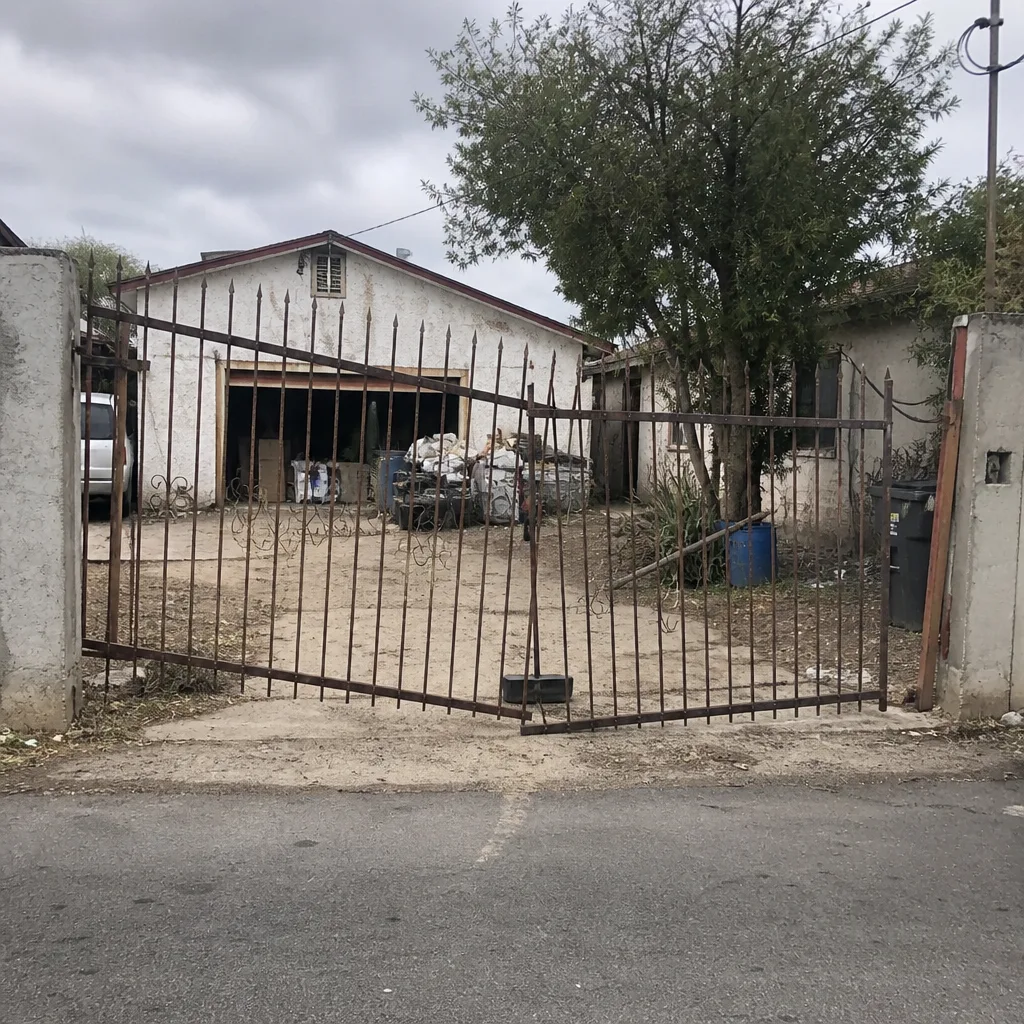 Before
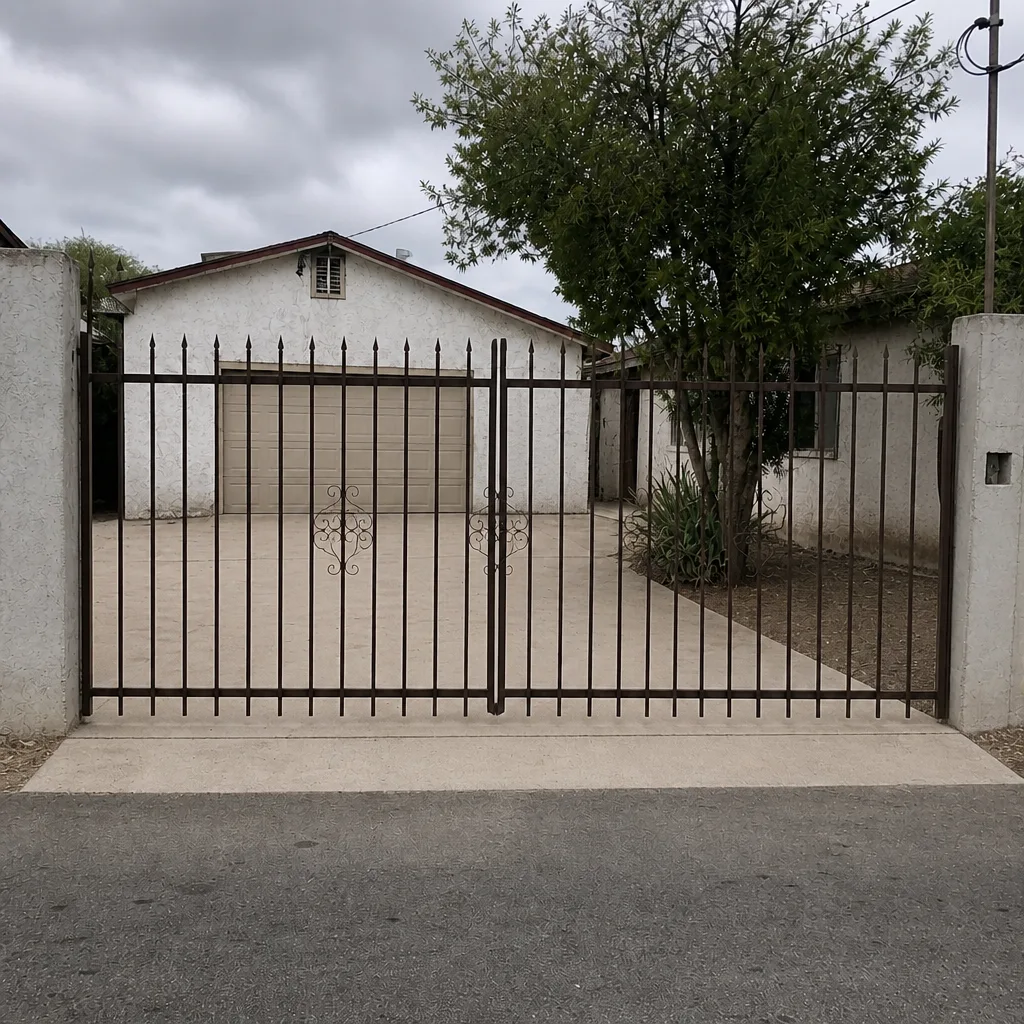 After
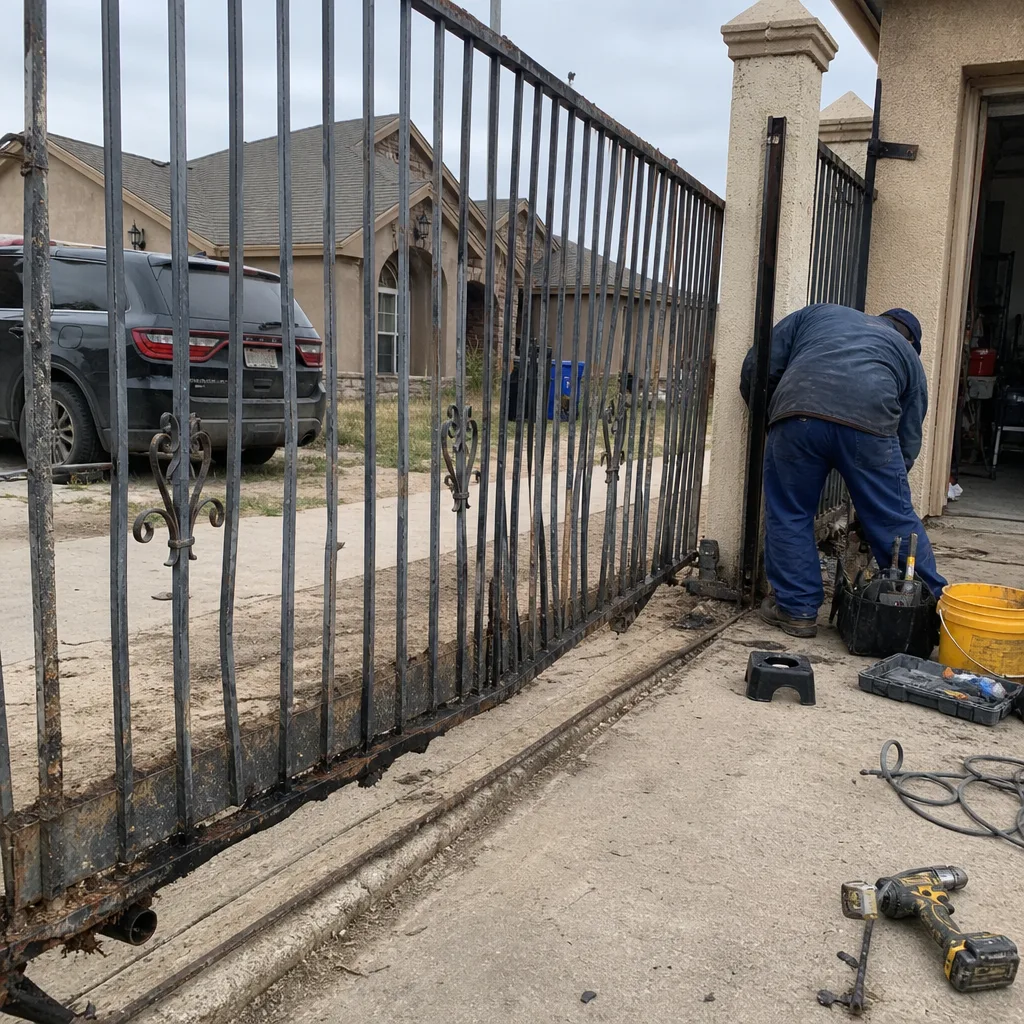 Before
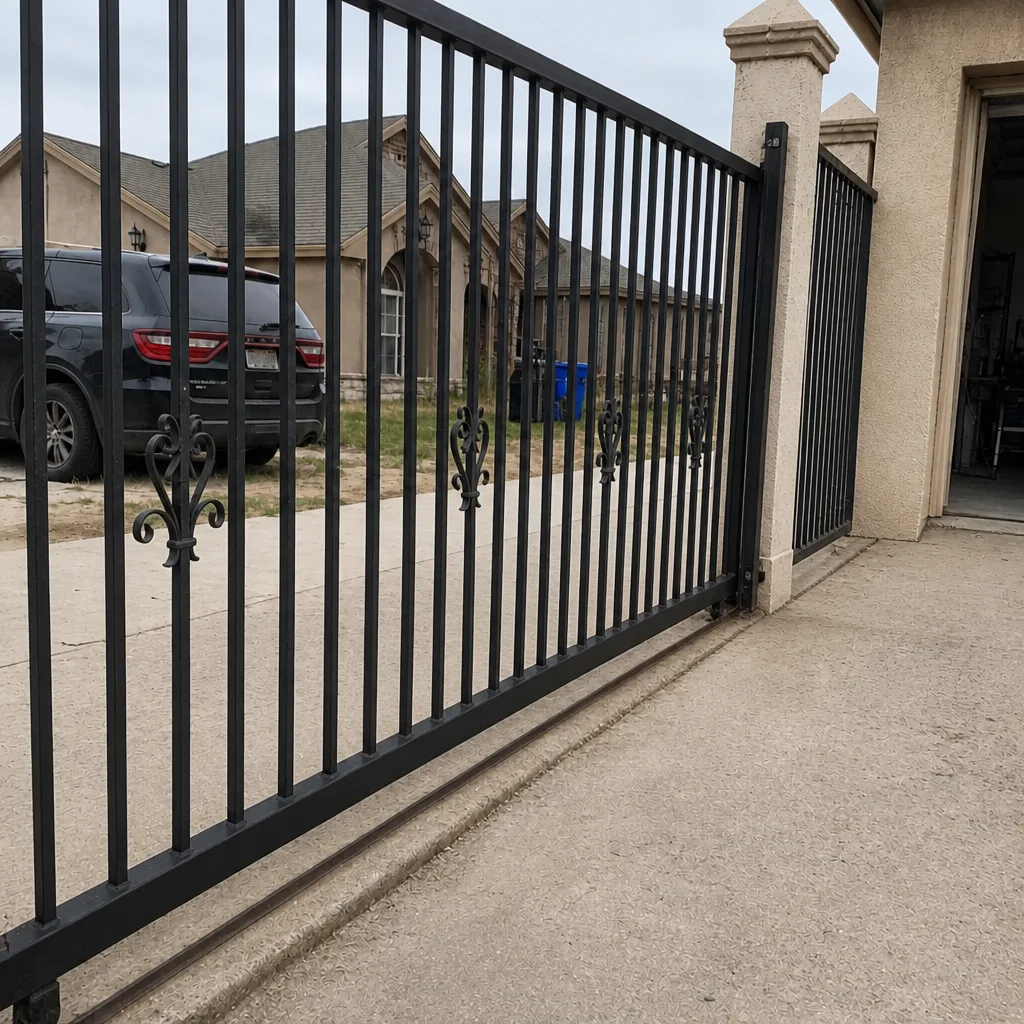 After
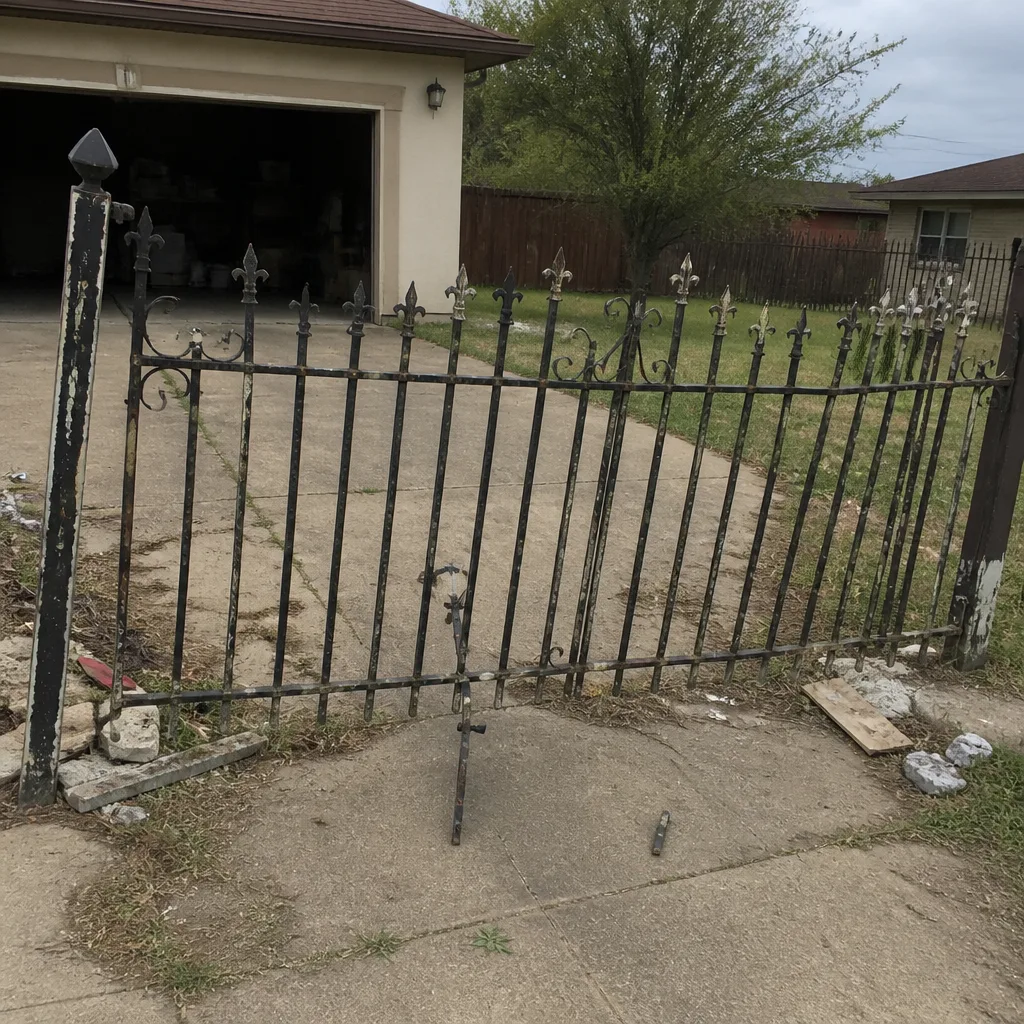 Before
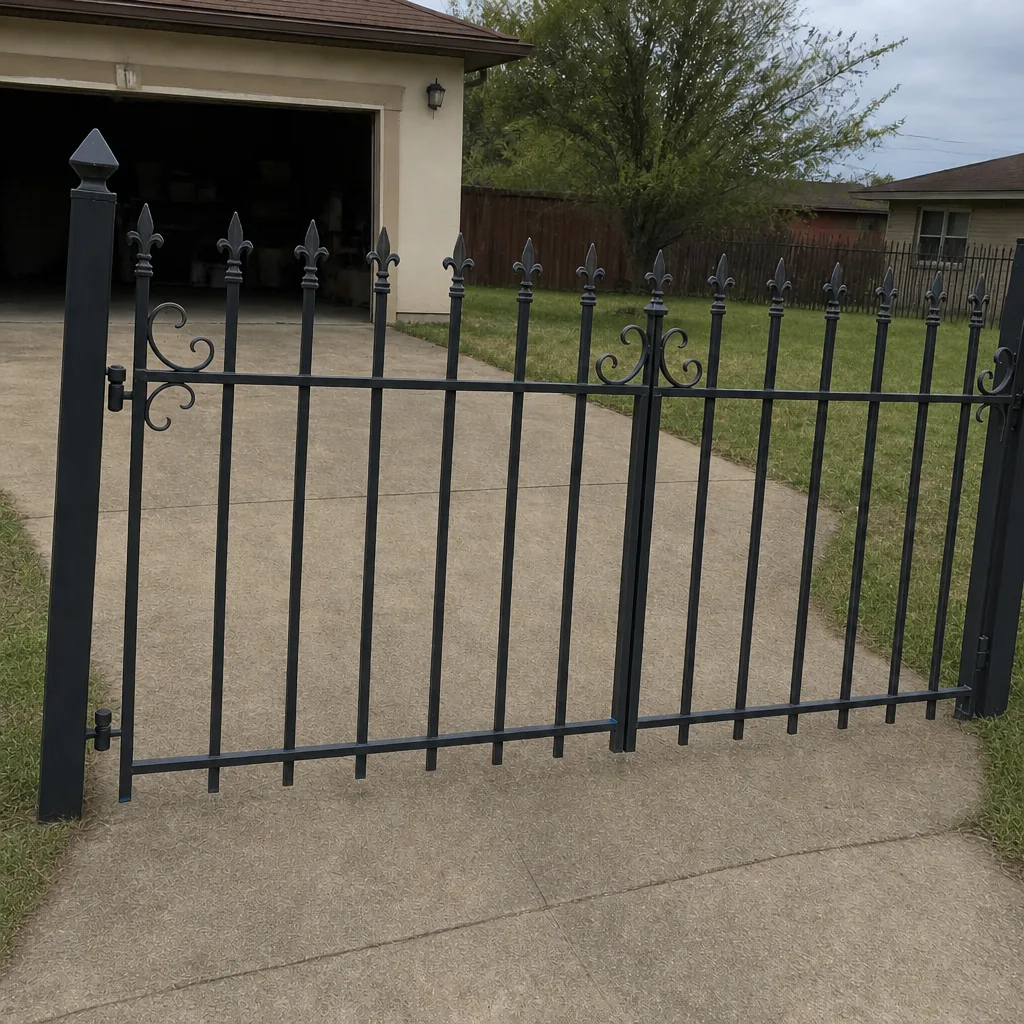 After