
Last updated November 15, 2026
 Wrought iron
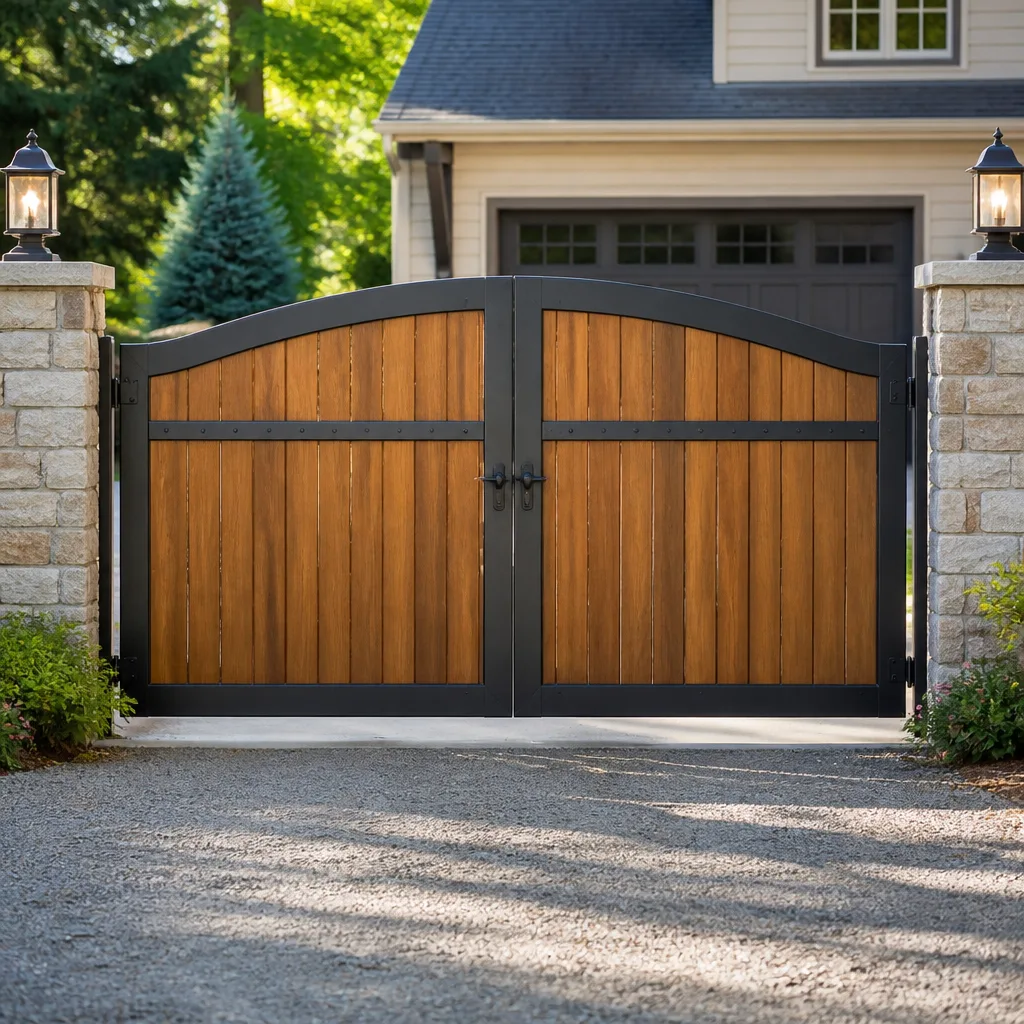 Wood & steel frame
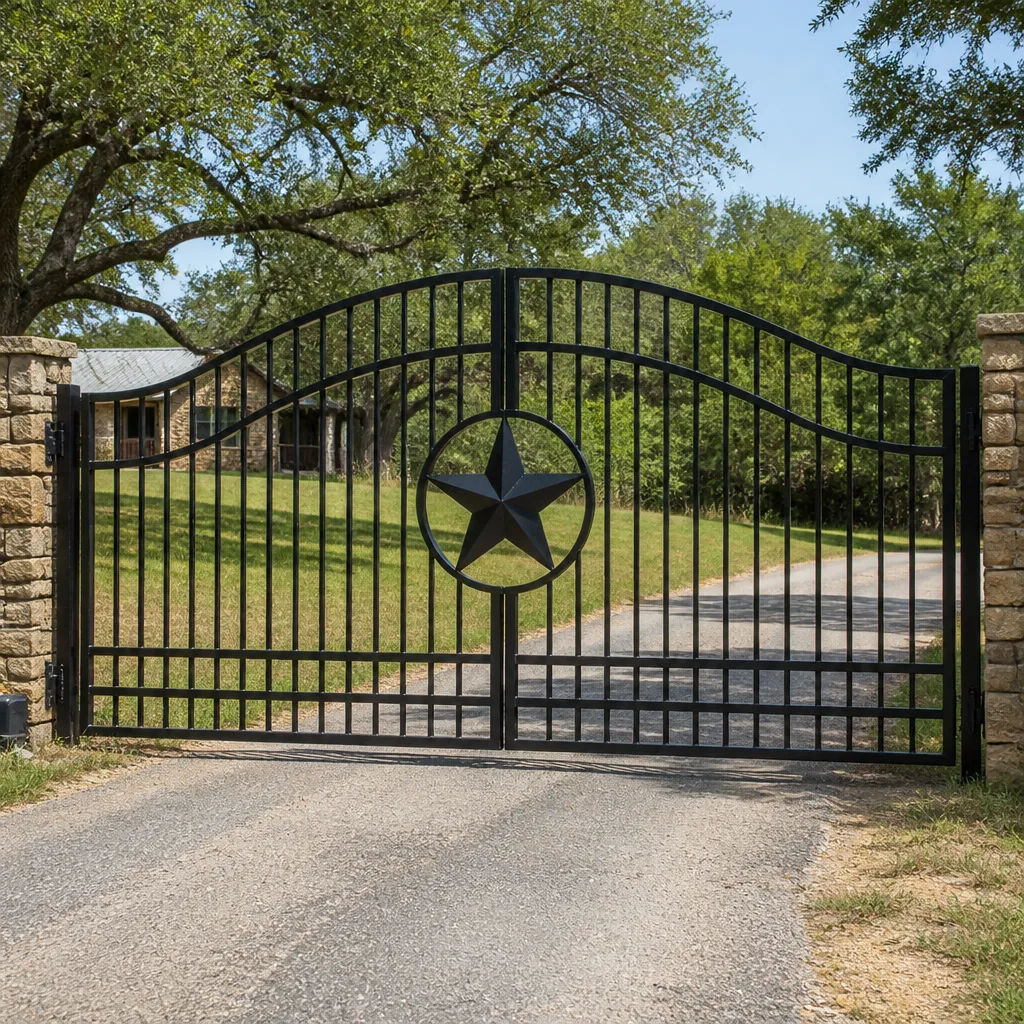 Farm & ranch
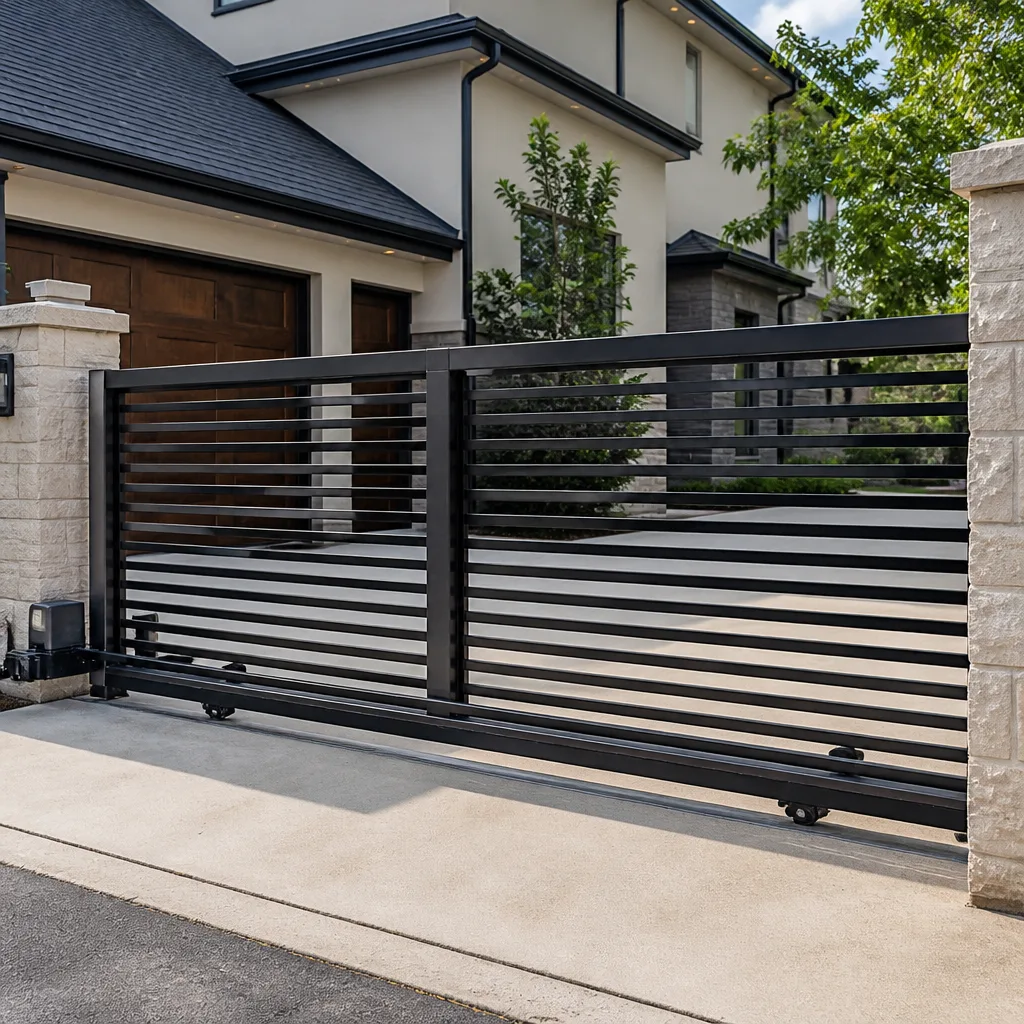 Sliding driveway gates
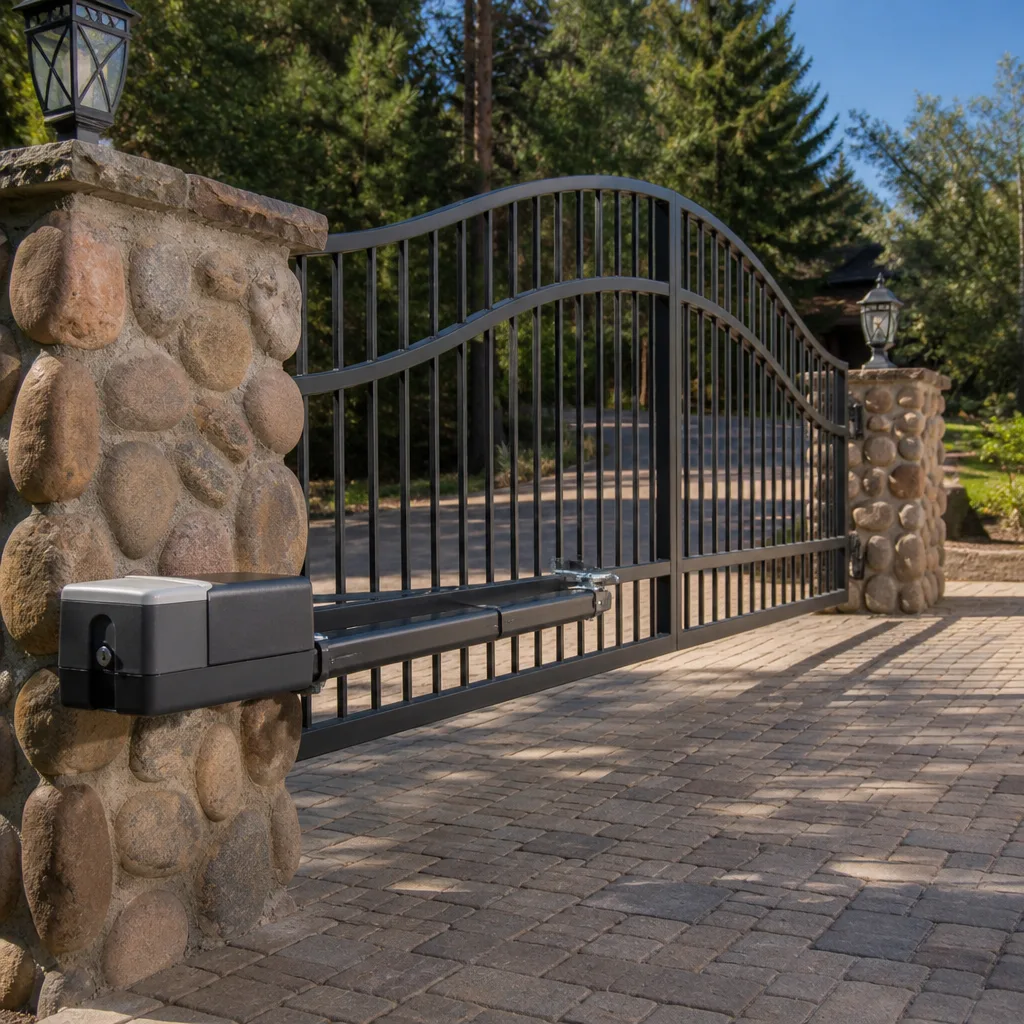 LiftMaster operators
Free on-site gate assessment - hinges, posts, and your LiftMaster or Nice gate operator checked before anything is quoted
The assessment is free and the quote is the invoice.
Get your free estimateGate Repair Warning Signs: A Laredo Homeowner’s Reference Guide
A gate that reverses direction mid-cycle isn’t malfunctioning randomly. It’s responding to a specific sensor or force-limit trigger, and the cause is almost always diagnosable from that behavior alone, before anyone touches the hardware. Most homeowners in Laredo treat these early signals as quirks: a little grinding, a pause before the gate moves, a remote that needs to be closer than it used to. Those “quirks” are the gate telling you something specific is wearing out or misaligned. This guide decodes the most common warning signs, maps each one to the likely cause, and sorts them into urgent versus scheduled repairs so you know what to call about today and what can wait for a normal appointment.
Quick Answer
In Laredo, the warning signs that need same-day attention are a gate that reverses without obstruction, a gate that won’t latch and stays open to the street, a grinding noise that gets louder through the cycle, and any burning smell or visible sparking near the operator. Signs that usually allow a scheduled repair include a remote that needs more range, a slow start, minor rust on hardware, and a gate that hesitates but still completes its cycle. Structural problems, like a sagging gate panel or a dragging wheel, are separate from operator problems and need to be diagnosed on-site before parts are ordered.
Styles & brands we work with
- Wrought iron
- Wood & steel frame
- Farm & ranch
- Sliding driveway gates
- LiftMaster operators
Table of Contents
- Symptom-to-Cause: The Five Signals That Matter Most
- Operator Failure vs. Structural Failure: How to Tell Without Tools
- Urgent vs. Scheduled: A Simple Triage Framework
- Brand-Specific Warning Signs: Viking, DoorKing, Elite, Ghost Controls
- What Accelerated Wear Looks Like on Laredo Gates
- Electrical and Wiring Warning Signs
- A 10-Minute Monthly Inspection You Can Do Yourself
- What to Do (and Not Do) Before the Technician Arrives
Symptom-to-Cause: The Five Signals That Matter Most
Most gate failures fall into one of five behavioral categories. Each one points to a fairly narrow set of causes, which is why a technician who works on gates every day can usually narrow down the problem from a description over the phone before arriving. Here’s the mapping we use when a homeowner calls.
1. Grinding
Grinding is mechanical. It almost always comes from the drive mechanism or the moving parts, not the control board. Common causes include dry or worn rollers, a chain that has stretched past its tolerance, worn sprockets, or debris packed into the track on a sliding gate. If the grinding started gradually, it’s usually wear. If it started suddenly, look for a foreign object in the track or a bent component.
2. Hesitation
A gate that pauses before moving, or pauses mid-cycle, is usually telling you about a force-limit setting, a weak motor, or a binding panel. Hesitation on an electric gate repair call is one of the trickiest symptoms to sort, because the operator can be doing exactly what it’s designed to do: sensing resistance and slowing down. That resistance is sometimes the gate, sometimes the motor.
3. Reversal
Reversal is the safety system working. The gate senses an obstruction, stops, and reverses. When there’s no obstruction, the cause is usually a misaligned safety sensor, a dirty photo-eye lens, or a force-limit set too sensitive as parts have loosened over time. On a Laredo gate, dust on the lens is one of the most common causes of false reversal.
4. Failure to Latch
A gate that closes but doesn’t latch is usually a mechanical alignment issue: a sagging hinge, a shifted post, a worn latch strike, or a wheel that has dropped below its track. On double swing gates, one leaf can drop lower than the other and the latch simply can’t reach.
5. Remote Range Loss
If the remote works from ten feet but not from thirty, the receiver is usually fine and the antenna or battery needs attention. Check the battery first, then look for anything that has changed near the receiver’s antenna, including new foliage, new metal fencing, or a new metal structure added nearby.
- Grinding → mechanical wear (rollers, chain, sprocket, track)
- Hesitation → force-limit, weak motor, or binding panel
- Reversal → safety sensor, photo-eye, or force-limit
- Failure to latch → structural alignment (hinge, post, latch, wheel)
- Remote range loss → battery or antenna, occasionally receiver
Operator Failure vs. Structural Failure: How to Tell Without Tools
The single most useful distinction a homeowner can make is whether the problem is the operator (the motor and controls) or the structure (the gate panel, hinges, posts, and wheels). The reason matters because the two repairs need different parts, different skills, and different lead times, and because a homeowner who calls describing “the gate won’t open” can save a whole diagnostic step by saying “the motor runs but the gate doesn’t move” instead.
Signs it’s the operator
- The motor runs but the gate doesn’t move (or barely moves)
- The gate moves slowly in both directions
- Lights on the control board are dark, blinking in a pattern, or the breaker has tripped more than once
- The remote doesn’t work but a keypad or manual switch does (or the reverse)
- The gate reverses on its own with nothing in its path
- The operator beeps or clicks repeatedly without moving the gate
Signs it’s structural
- The gate sags visibly at the leading edge when closed
- The gate drags on the ground or the track
- The gate is hard to move by hand even when disconnected from the operator
- The gate binding has gotten worse over weeks or months
- A hinge, wheel, roller, or post is visibly bent, rusted through, or pulled away
- The gate closes but doesn’t latch cleanly, or the latch strike is offset
The quickest test you can do is disconnect the operator (using the manual release, which most operators have) and push the gate by hand. If it moves freely, the operator is the problem. If it binds, drags, or sags, the structure is the problem, and a strong motor may actually be masking it, which is worse because it means the operator is working harder than it should and will fail sooner.
Urgent vs. Scheduled: A Simple Triage Framework
The right question isn’t “is this bad?” but “is this a today problem or a this-week problem?” Here’s how we triage signal urgency on calls to Gate Repair Laredo. Use the highest level that applies.
Level 1: Call today
- The gate stays open and can’t be secured manually
- The gate reverses without obstruction, or reverses into a person or vehicle
- The gate moves on its own after it has finished a cycle
- You smell burning, see smoke, or see sparking near the operator
- The gate hangs off its track (slide gates) or has come off its hinges
- The operator’s breaker trips repeatedly
Call (833) 946-7096. We answer 24/7. Fast dispatch from 7am to 7pm, Sunday through Friday. A call outside dispatch hours is booked into the next opening, Sunday through Friday, 7am to 7pm.
Level 2: Schedule this week
- The gate works but grinds, squeals, or hesitates
- The latch occasionally fails but the gate closes eventually
- The remote range has dropped and needs a second press
- The control board shows an error code but the gate still runs
- The gate is visibly slower than it used to be
Level 3: Plan a scheduled repair (weeks, not days)
- Cosmetic rust on hardware or a panel finish
- A battery backup that holds less than it used to
- A slightly sticky manual release
- A keypad that occasionally misses a press
The mistake homeowners make is waiting through all three levels because they aren’t sure which one they’re at. A $1 part today is often a $300 board next month. And the reverse mistake is paying for a same-day visit when the problem is cosmetic. Match the level to the signal and you’ll make a good call.
Brand-Specific Warning Signs: Viking, DoorKing, Elite, Ghost Controls
Different brands wear in different ways, and a technician who’s familiar with the specific unit can often hear a problem before it becomes a failure. Not every operator sounds the same, and not every “bad sound” on one brand is bad on another. Here are the brand-specific patterns we watch for most often.
Viking
Viking operators are common on HOA and light commercial entries around Laredo, and they tend to signal aging through the belt or drive. A Viking that starts to sound rougher or louder in cold weather may just need the drive serviced. When a Viking starts hesitating on the open cycle but runs normally on close, the force-limit is usually the first thing to check, not the motor.
DoorKing
DoorKing is a commercial-grade system, and on DoorKing the warning signs are usually electrical or logic-related before they’re mechanical. A DoorKing unit that starts beeping without an obvious obstruction, or that trips a circuit, is often showing a board or sensor issue. DoorKing systems have more diagnostics built in than residential operators, which means many failures can be diagnosed from the error pattern before the technician opens the housing.
Elite
Elite operators on residential gates in Laredo often fail slowly, not suddenly. Speed that drops by a second or two over the course of a season, or a slight lag between a remote press and the start of movement, is usually the first sign. On an Elite, that’s worth a scheduled service rather than a wait-and-see. The control board is capable of holding up longer than the operator itself, so the failure surface is usually the motor or the mechanical drive, not the electronics.
Ghost Controls
Ghost Controls is popular on residential driveways around Laredo and is often the first experience a homeowner has with an automated gate. Ghost Controls units are sensitive to alignment, and their warning sign is usually a photo-eye issue rather than a mechanical one. If the gate reverses on one side more than the other, or reverses only when the sun is directly on the sensor, the sensor alignment is the likely cause. The fix is usually on-site adjustment, not replacement.
A Gate Repair Laredo technician who works on your brand is not going to spend your first visit learning it. Whether it’s a Viking or an Elite, a DoorKing or a Ghost Controls, we’ve diagnosed the failure pattern before.
What Accelerated Wear Looks Like on Laredo Gates
Every market has its gate wear signature. Laredo’s is specific, and once you know what to look for, the signs of accelerated wear on a Laredo gate are visible from the street. The local climate matters here: hot, dry, dusty conditions work together to age a gate faster than most manufacturer specs assume.
UV-bleached wiring insulation
The sun in Laredo is hard on exposed wiring. Look at any run of wire that isn’t inside conduit or the housing: if the insulation has faded from black to grey, or shows a chalky surface, the UV exposure has begun to break it down. Cracked insulation on a low-voltage run causes intermittent sensor failures that are hard to reproduce on a cool day. If you see exposed or cracked wire insulation near the operator or the safety sensors, have it inspected before it causes a short.
Rust patterns on caliche-exposed hardware
Laredo’s soil is high in caliche, and any hardware that’s been in contact with the ground or been splashed with muddy runoff will show rust faster than hardware that stays dry. Look at the base of the posts, the wheels, and the bottom of any panel that drags. Uniform surface rust on painted steel is cosmetic. Pitting, flaking, and rust bleeding from the inside of a hinge is structural and needs attention. The distinction matters because a homeowner who treats cosmetic rust as structural pays for a repair that isn’t needed, while a homeowner who treats structural rust as cosmetic finds out the hard way.
Heat-swollen gate frames
Metal expands in the heat. On a steel-frame slide gate in Laredo, that can mean the gate binds at midday and runs freely in the morning. The same gate can pass a technician’s morning test but fail by afternoon. If your gate is sticking in the middle of the day and running fine at sunrise, tell the technician. It’s a real phenomenon and it changes how the repair is planned.
Dust and pollen on moving parts
Laredo’s dry, dusty stretches mean grit gets into rollers, tracks, and hinges faster than the manufacturer service interval anticipates. Dry rollers become grinding rollers. A quick visual check on the rollers and the track a few times a year catches it early.
These patterns aren’t a reason to panic about your gate. They’re a reason to look at it every so often and know what you’re looking at.
Electrical and Wiring Warning Signs
Electric gate systems carry line voltage at the operator, and the safety sensors and low-voltage control wiring are usually run in close proximity to the operator. When the electrical side fails, symptoms can look mechanical. The safety warning here is straightforward: don’t open the operator housing or probe the wiring yourself. Line voltage inside a gate operator can cause serious injury. A trained technician with the right meter and the right knowledge should do the diagnostic.
Electrical warning signs that need professional attention:
- A breaker that trips more than once
- A burning smell, smoke, or visible sparking near the operator
- Flickering lights on the control board, or a display that resets
- A keypad that works only when it’s dry, or only when it’s cool
- Any wire that’s been chewed by an animal, pulled from its terminal, or left exposed
- Safety sensors that trigger only some of the time (intermittent sensor failures often trace to wiring, not the sensor)
Some of these are urgent. A burning smell or repeated breaker trips is a call-today problem. An intermittent keypad is a scheduled visit. The distinction is whether the electrical fault can cause damage to the equipment or pose a risk in the meantime.
A 10-Minute Monthly Inspection You Can Do Yourself
A short inspection once a month catches most of the wear patterns described in this guide before they become failures. You don’t need tools, and none of these steps involve opening the operator housing or touching the internal wiring.
- Watch a full cycle. Open the gate and watch it the whole way. Note any hesitation, sudden speed change, or grinding. Repeat for close.
- Listen for new sounds. Compare today’s sound to last month’s. A grinding, squealing, or knocking sound that wasn’t there before is worth noting.
- Test the manual release. Put the operator in manual and push the gate by hand. It should move smoothly with light to moderate effort. Any binding, dragging, or sagging is structural.
- Test the safety sensors. With the gate closing, walk through the path. The gate should stop and reverse. If it doesn’t, stop using the gate until a technician inspects it.
- Look at the wiring. With the power off, look at the visible low-voltage wire runs. Faded, cracked, or chewed insulation should be inspected by a professional before it causes a fault.
- Look at the hardware. Inspect hinges, wheels, rollers, and posts for rust, bending, or loose bolts. Surface rust is cosmetic. Flaking or pitting is not.
- Test the remote range. Try the remote from your usual approach distance. Range should be consistent month to month. A drop is a battery or antenna issue.
Once a year, when you’re already looking, check the gate when it’s hottest out. A gate that binds at midday and runs in the morning tells you something about the gate you won’t see on a cool day. Write down anything you noticed and mention it when you call.
What to Do (and Not Do) Before the Technician Arrives
When a gate starts showing warning signs, some things are safe to do and some definitely are not. The safe steps are about securing the property and giving the technician good information.
Safe to do:
- Put the operator in manual and secure the gate by hand if it’s safe to do so
- Note the sounds, timing, and behaviors you observed and when they started
- Note the brand on the operator housing, if it’s visible from outside
- Take a short video of the gate running through a cycle, on your phone, if it’s safe to stand clear
- Clear the area of vehicles and people while you run the cycle
Not safe to do:
- Open the operator housing or probe the internal wiring
- Bypass the safety sensors to “get the gate working”
- Stand in the gate path to “test” whether the reverse function works
- Adjust force-limit settings by trial and error without a manual
- Continue operating a gate that grinds, drags, or hangs off its track
- Push a stalled gate by hand while the operator is powered
Safety sensors on a gate exist because a gate can crush, pinch, or drag a person or a vehicle. A disabled sensor is the most common reason a gate becomes dangerous, and it’s the most common reason a small problem becomes a serious one. If a sensor is failing, the right answer is to stop using the gate until a trained technician can diagnose it, not to work around the sensor.
Common Mistakes to Avoid
- Treating a grinding sound as normal. Gates don’t grind when they’re healthy. A grinding sound that gets a little louder each month is a wear pattern in progress. Waiting until it’s a constant grinding sound usually means the repair is bigger.
- Disabling the safety sensors because the gate is annoying you. In Laredo, one of the most common reasons a homeowner disables a sensor is dust on the lens. Cleaning the lens is the safe fix. Bypassing the sensor is not.
- Assuming the operator is the problem because the gate won’t move. As covered above, a binding structure can defeat a working operator. Diagnose the gate by hand before you diagnose the operator.
- Waiting for the gate to fail completely before calling. A failing gate is usually repairable. A failed gate sometimes isn’t, because secondary damage has set in. Catching it at the warning-sign stage is cheaper and faster.
- Paying for a weekend visit when the problem can wait. Some problems genuinely can wait until Sunday. Others can’t. Match the urgency level to the symptom, not to your calendar.
- Letting a generalist diagnose a specialist system. A multi-trade contractor can replace a gate panel or repair a hinge, but the operator is a different system. A dedicated gate technician is the right call for the electrical or control side.
- Ignoring a gate that runs but doesn’t latch. A gate that doesn’t latch leaves the property open to the street. In Laredo, that’s a security problem more often than a convenience one. Get it fixed.
See the difference
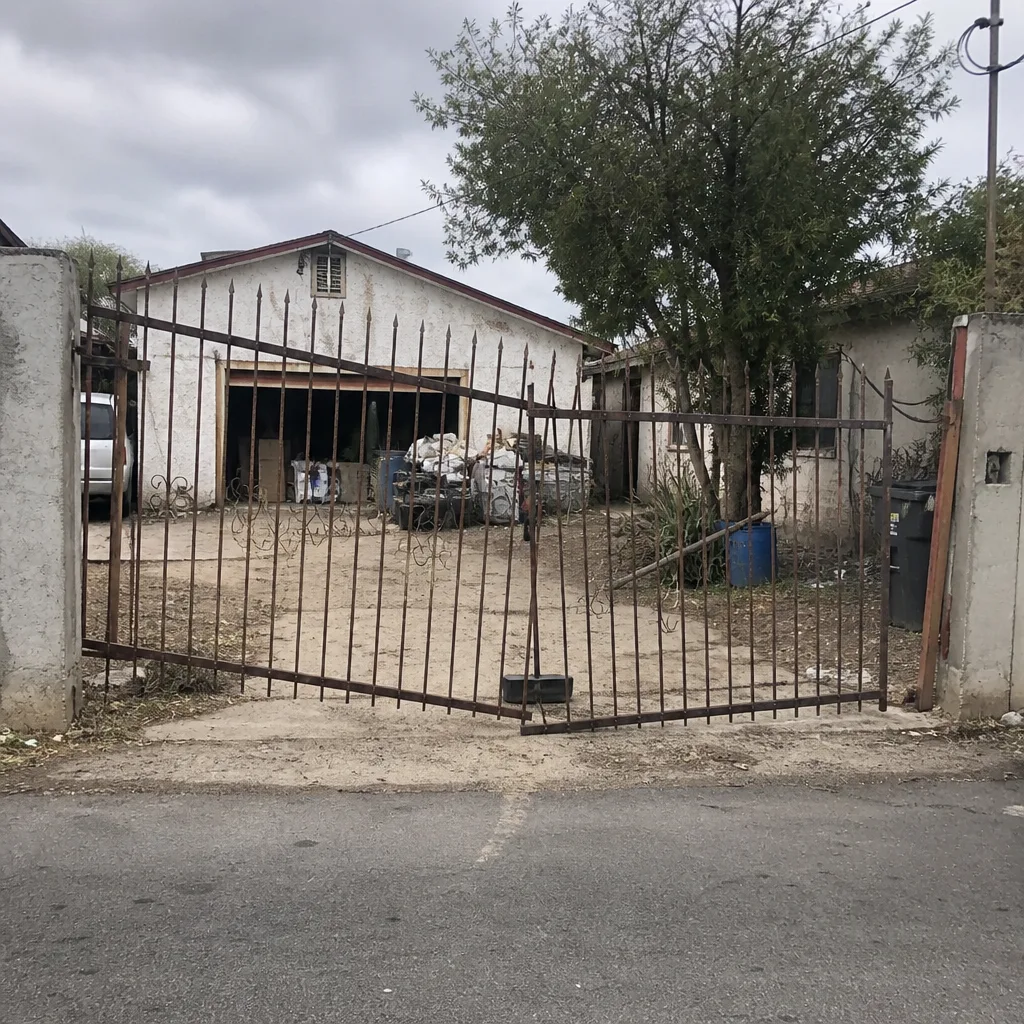 Before
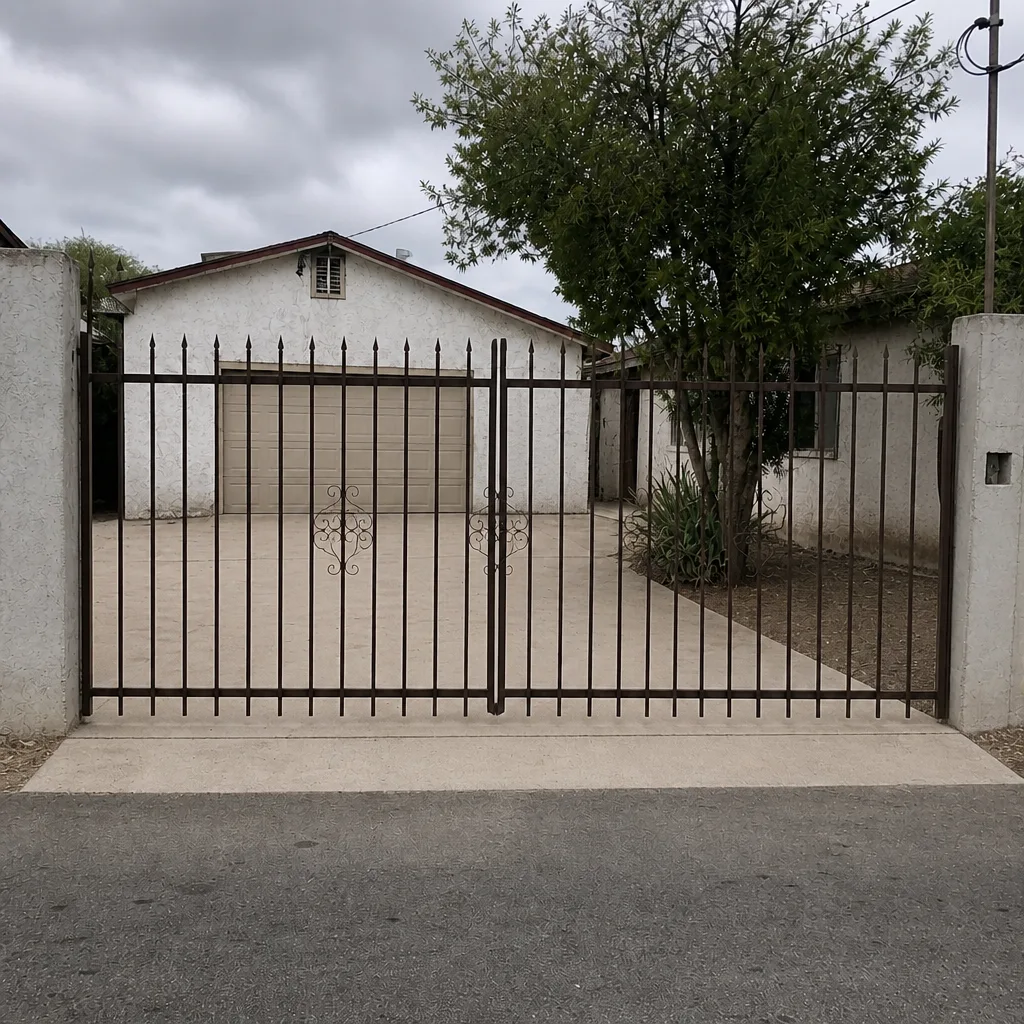 After
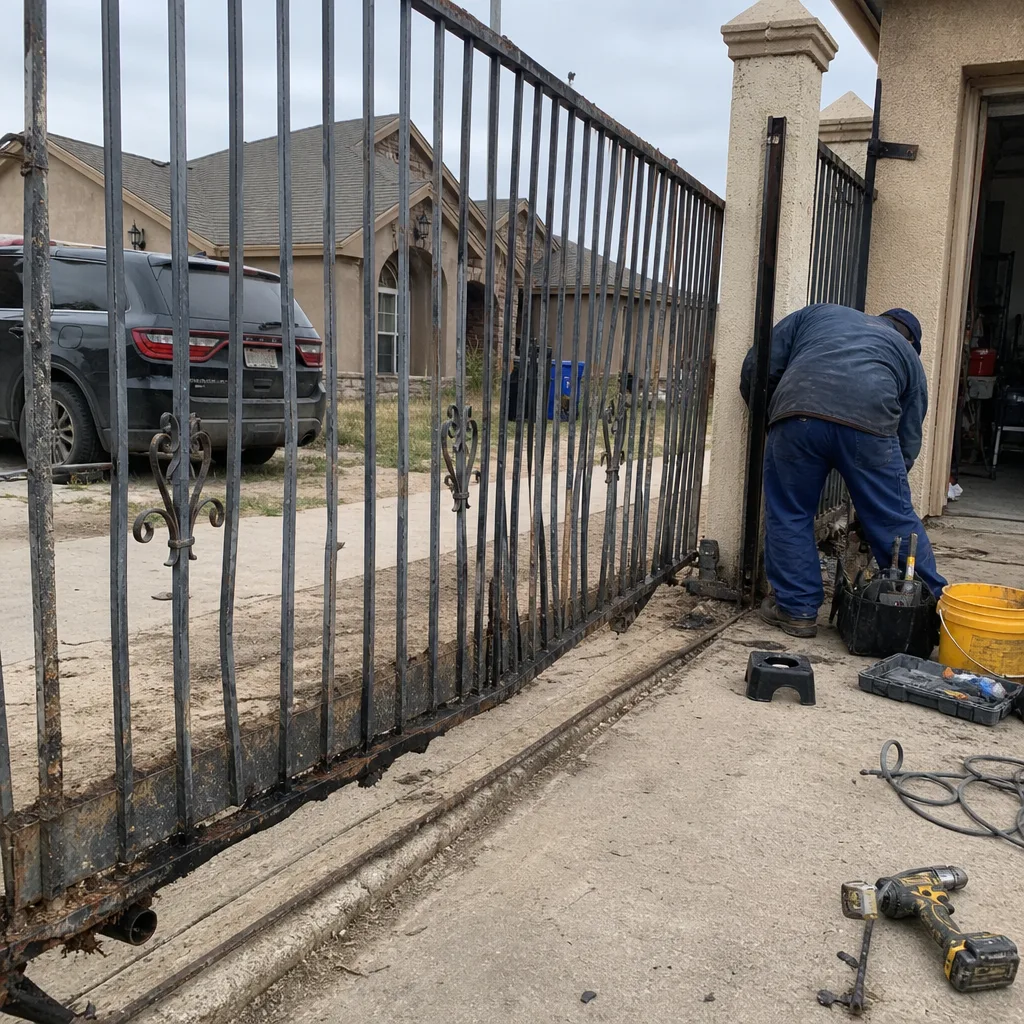 Before
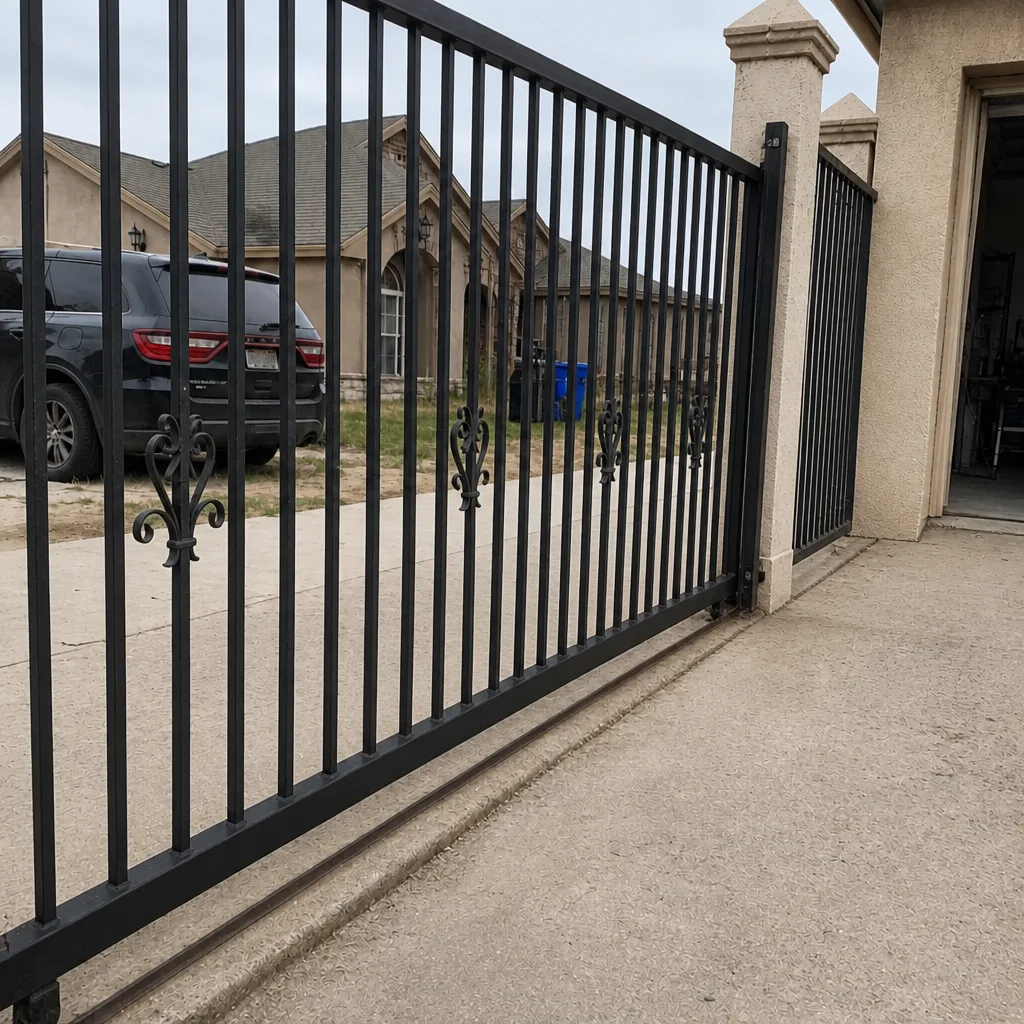 After
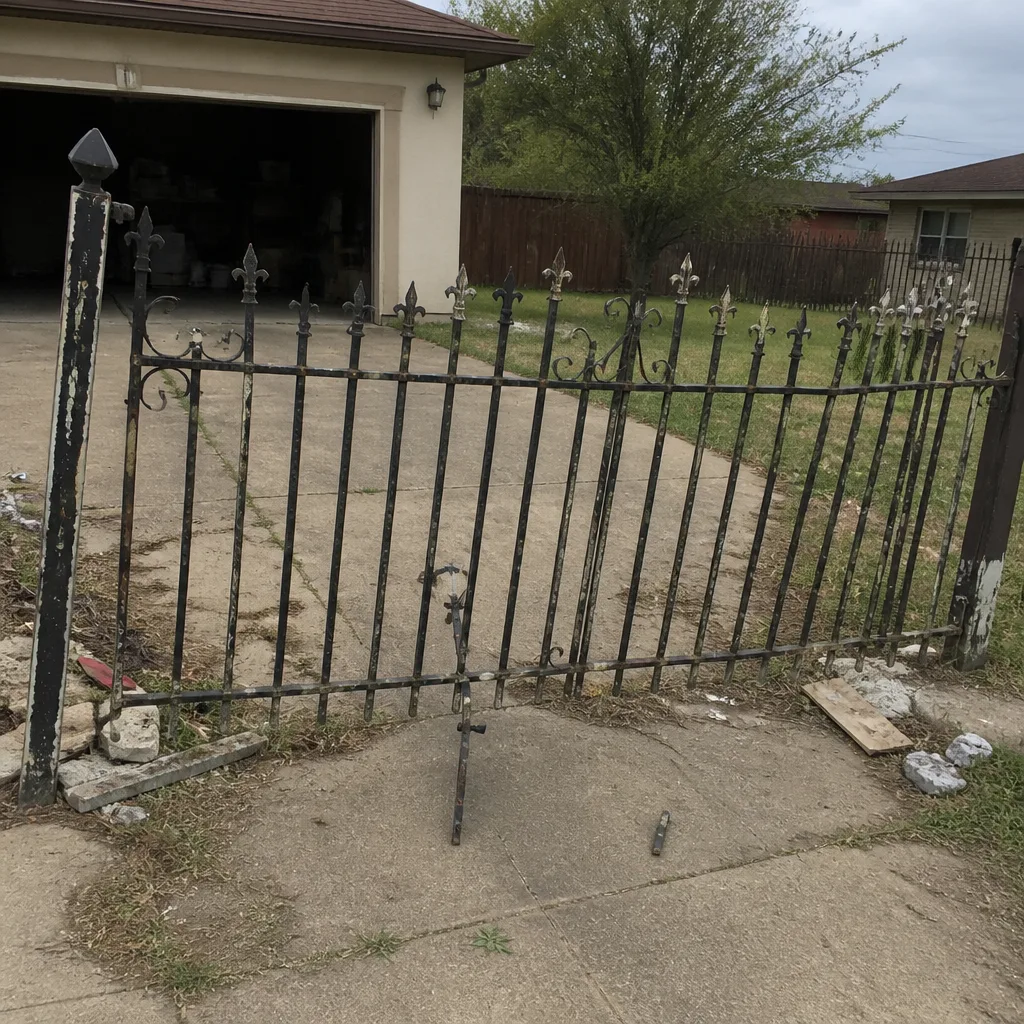 Before
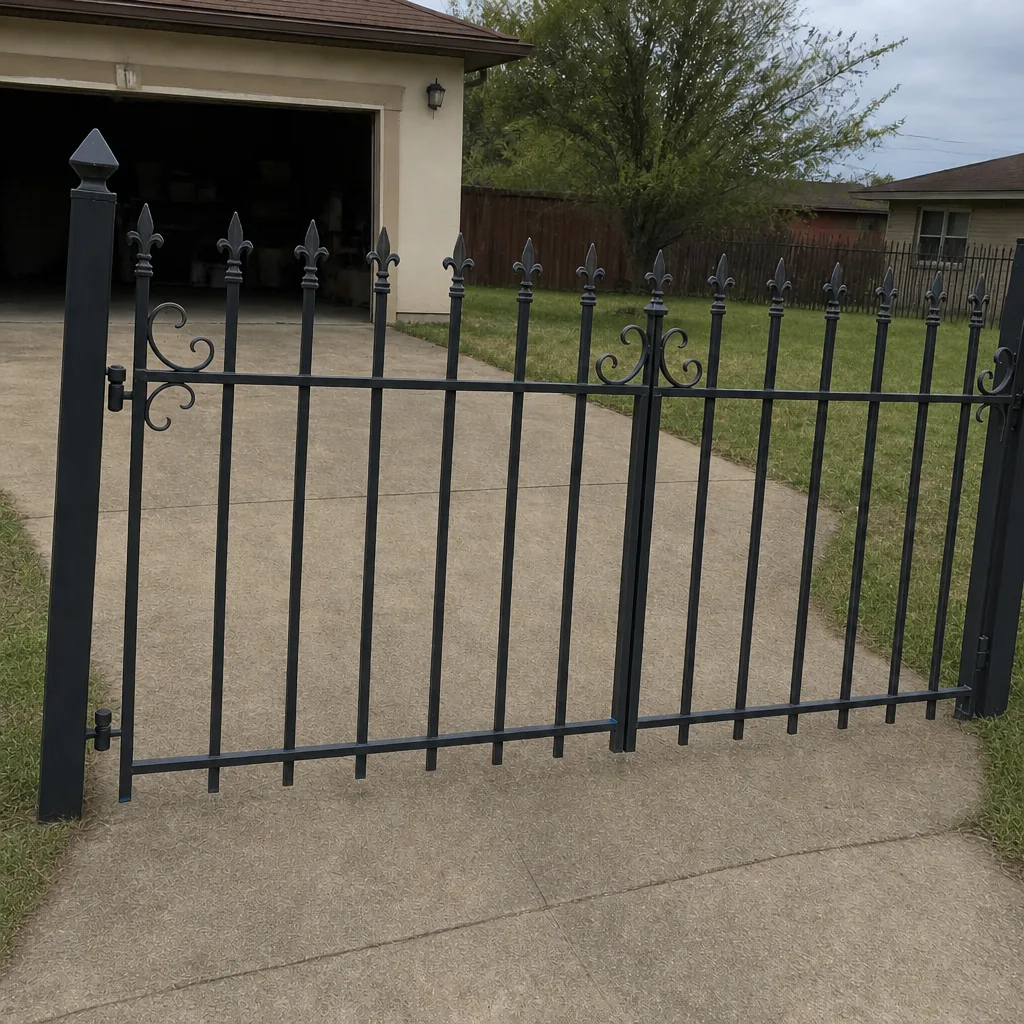 After
When to Call a Professional
Call a dedicated gate technician when the symptom involves the operator, the electrical system, or the safety sensors. Those are the three areas where the diagnostic sequence is different from mechanical repair, and where a generalist is likely to spend your time learning the system. If the gate is binding, sagging, dragging, or hanging off its track, the repair is mechanical and a specialist can still handle it faster because they diagnose gates every day, not as a side job. If you smell burning, see sparking, or trip a breaker more than once, treat it as urgent and keep people and vehicles clear of the gate until it’s inspected.
Gate Repair Laredo offers free estimates in Laredo. Call (833) 946-7096. We answer 24/7. Fast dispatch from 7am to 7pm, Sunday through Friday.
Frequently Asked Questions
The first warning signs are usually subtle: a grinding sound that wasn’t there before, a hesitation at the start of a cycle, a remote that needs more range, or a gate that occasionally reverses without an obstruction. These are the gate’s version of a check-engine light, and they’re worth a scheduled visit before they turn into a failure. Call (833) 946-7096 for an exact quote on a diagnostic, and estimates are free.
Safety sensor alignment and removed remotes or keypads are items a homeowner can reasonably handle. Operator internals, wiring, and mechanical diagnosis of the gate itself should be handled by a professional. The line voltage inside a gate operator can cause serious injury, so opening the housing or probing the internal wiring is not a safe task for a homeowner. Call (833) 946-7096 if you’re unsure about the diagnosis.
A gate that reverses without an obstruction is usually a misaligned or dirty safety sensor, a sensor that’s become sensitive to sunlight at a particular time of day, or a force-limit set too sensitively. In Laredo, dust on the photo-eye lens is one of the most common causes, and a seasonal clean of the lens can resolve it in many cases. If cleaning doesn’t fix it, call (833) 946-7096 for a diagnosis. Estimates are free.
Gate repair in Laredo is priced per job after a written estimate. We don’t quote over the phone, because the cost depends on which brand of operator you have, whether the issue is mechanical or electrical, and what parts are involved. What we can promise is that the price is quoted and agreed before any work starts. Call (833) 946-7096 for a free estimate.
Some grinding can be waited on for a week or two, and some can’t. Grinding that started gradually and hasn’t gotten worse is usually safe to schedule. Grinding that started suddenly, or that has gotten significantly worse, is worth a visit before the wear spreads into the drive mechanism. Call (833) 946-7096 for a diagnosis. We answer 24/7. Fast dispatch from 7am to 7pm, Sunday through Friday.
Most gate repairs, including operator repair, sensor repair, and mechanical repair, don’t require a permit. A full installation of a new gate or a new operator may require a permit depending on the scope and the city’s current rules, so it’s worth asking the city’s building department before scheduling a new install. For a repair, call (833) 946-7096 to schedule a diagnosis.
The Bottom Line
Gates in Laredo tell you what’s wrong before they fail. Grinding is mechanical, reversal is sensor or force-limit, hesitation is binding or motor, failure to latch is structural, and remote range loss is usually a battery or antenna. The urgency framework is the part worth remembering: burning smells, sparking, and a gate that won’t latch are today problems; grinding that’s getting worse is a this-week problem; cosmetic rust and a slightly sticky manual release can wait for a scheduled repair. Keep notes on what your gate is doing, run the monthly inspection, and call when the signal crosses into urgent. Laredo homeowners who know their gate’s warning signs spend less money on surprises.
If you’re reading this with a symptom on your mind, call us. Our technicians have up to 10 years of experience diagnosing gates from the operator’s behavior, and we work on your brand. Whether you need gate repair or a full diagnostic on an electric gate repair visit, we’ll give you a straight answer and a written estimate before anything gets started.
Call (833) 946-7096 for a free estimate. We answer 24/7. Fast dispatch from 7am to 7pm, Sunday through Friday.
Written by the team at Gate Repair Laredo.