
Last updated November 15, 2026
 Wrought iron
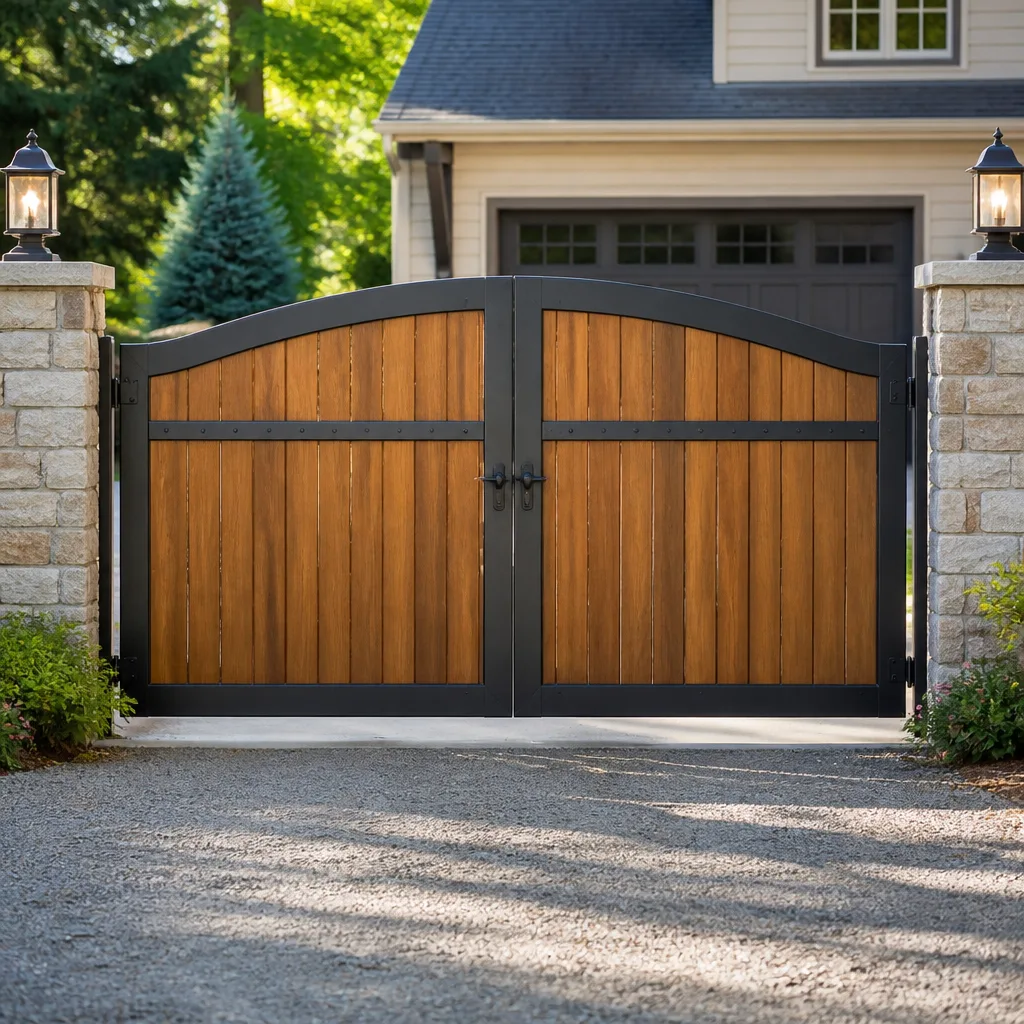 Wood & steel frame
 Farm & ranch
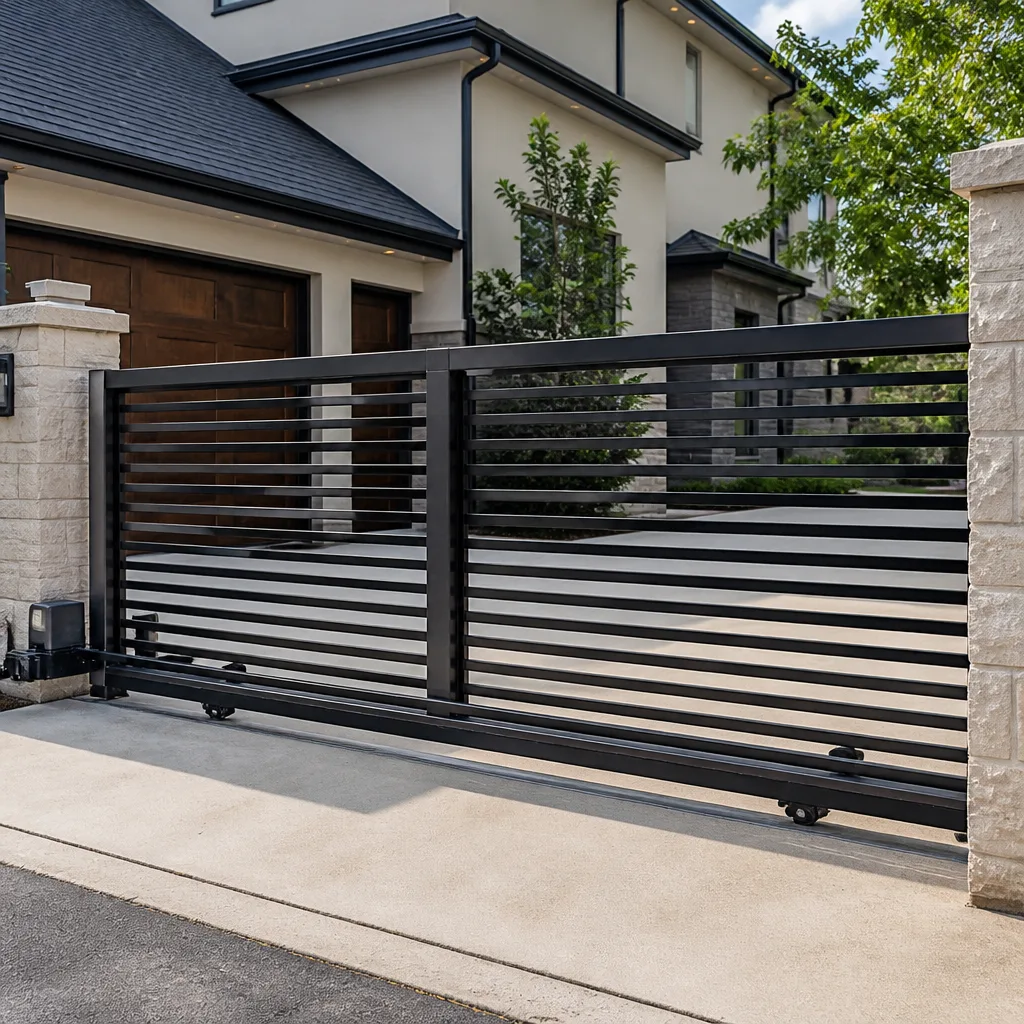 Sliding driveway gates
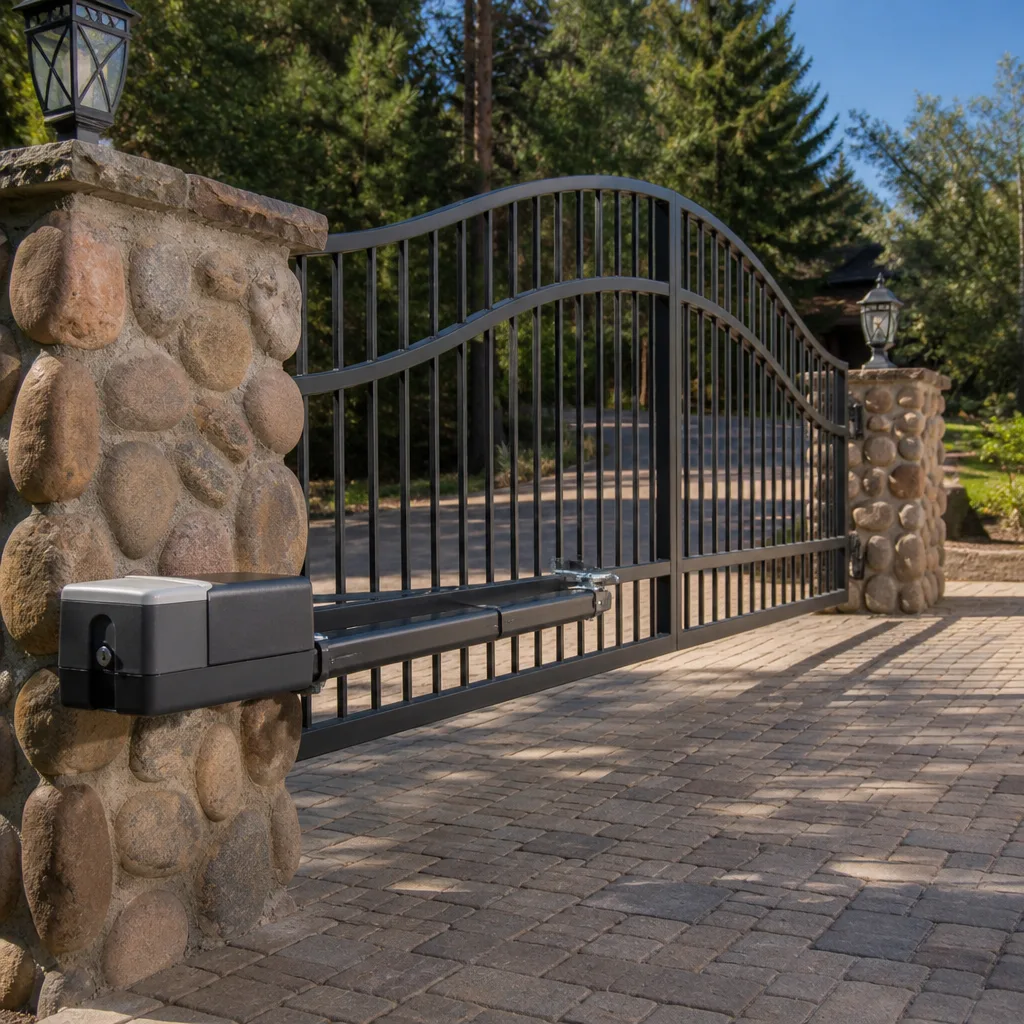 LiftMaster operators
Free on-site gate assessment - hinges, posts, and your LiftMaster or Nice gate operator checked before anything is quoted
The assessment is free and the quote is the invoice.
Get your free estimateGate Repair Troubleshooting in Laredo: Common Problems and How to Fix Them
A gate that reverses for no reason and a gate that won’t open at all look like completely different problems. Most of the time, they trace back to the same handful of faulty components. That’s the expensive part of gate repair: guessing wrong about which component failed, then paying for parts you didn’t need while the actual fault keeps misbehaving. This guide walks you through how a specialist reads a gate’s symptoms in Laredo – what the gate is doing, what that usually means, and where the safe line sits between checking something yourself and calling a technician. You’ll learn the five failure patterns we see most, how local heat and caliche soil speed up wear, and why the same symptom on a LiftMaster or a DoorKing points somewhere different.
Quick Answer
Most gate problems in Laredo come down to one of five root causes: a failing safety sensor or its alignment, a worn or failing operator motor, a misaligned or sagging gate structure, a control-board fault, or a power and wiring problem. The trick is matching the symptom to the cause before anyone touches a part. A gate that reverses unexpectedly usually points to sensors or the control board, while a gate that won’t move at all usually points to power, the motor, or a stuck limit switch – and those are two very different repairs.
Styles & brands we work with
- Wrought iron
- Wood & steel frame
- Farm & ranch
- Sliding driveway gates
- LiftMaster operators
Table of Contents
- The Five Failure Patterns Behind Almost Every Gate Problem
- Operator Problem or Gate Structure Problem? Why the Difference Matters
- How Laredo Heat and Caliche Soil Accelerate Gate Wear
- Brand-Specific Quirks: Same Symptom, Different Culprit
- What’s Safe to Check Yourself vs. What Needs a Technician
- A Step-by-Step Troubleshooting Sequence to Follow Before You Call
- Repair or Replace? How to Decide
- Common Mistakes to Avoid
- When to Call a Professional
- Frequently Asked Questions
The Five Failure Patterns Behind Almost Every Gate Problem
Read your gate’s behavior in one of five categories. Nearly every call we take as a Gate Repair Laredo specialist fits into one of them, and each category narrows the suspect list fast.
- The gate reverses before it closes or opens fully. The operator thinks something is in the way. Suspects: safety sensors out of alignment, a dirty or sun-blinded sensor lens, a control board misreading the sensor loop, or a physical obstruction – debris, a warped panel, a track that’s shifted.
- The gate won’t move at all. No sound, no motion, or a click and then nothing. Suspects: tripped breaker or dead power at the operator, a failed motor, a blown control board fuse, a stuck limit switch, or a manual release that’s still engaged.
- The gate opens partially, then stops. It moves partway and quits. Suspects: a limit switch set wrong or failing, an obstruction the gate meets mid-travel, a sagging hinge dragging the panel, or a motor losing torque under load.
- The gate moves slowly or strains. It works but sounds tired. Suspects: worn hinges or rollers, a gate structure that’s sagged onto its track, a motor overheating, or a control board delivering weak voltage to the operator.
- The remote or keypad stops working, but the gate itself is fine. Suspects: dead remote battery, a receiver that’s lost its programming, a keypad fault, or interference on the frequency the operator uses.
Pattern-matching before you call saves real money. When you can tell a technician “it reverses right before it closes, every time,” that narrows the job to sensors and board logic instead of a full motor tear-down. Whether you’re on a residential driveway or a commercial entry, the same five patterns apply.
Operator Problem or Gate Structure Problem? Why the Difference Matters
This is the single most expensive confusion in gate repair. The operator is the motor, control board, sensors, and wiring – the electric brain and muscle. The gate structure is the physical gate: panels, hinges, posts, tracks, rollers. They fail in different ways, and the fix lives in a different place.
Here’s why it matters. A gate that sags on its hinges and drags on the ground puts extra load on the motor. The motor starts straining, then overheating, then failing. A homeowner sees a “broken gate” and calls for motor repair – but the real problem is structural. Replace the motor without fixing the sag and the new one fails the same way. Conversely, a gate that won’t latch cleanly might look structural, but the fault is a sensor telling the operator to hold open.
- Signs it’s the operator: the gate moves freely by hand when you disengage the manual release, but the motor struggles or won’t fire. Remote or keypad problems. The gate reverses with nothing in the way.
- Signs it’s the structure: the gate binds, drags, or rubs when you move it by hand with the operator disengaged. Visible sag, a post leaning, hinges pulling loose, a track out of line.
Disengage the manual release and push the gate through its full travel by hand. If it moves smooth and easy, the structure is fine and the fault is in the operator. If it fights you, you have a structural issue first. That one check answers the question before a technician arrives.
How Laredo Heat and Caliche Soil Accelerate Gate Wear
Standard troubleshooting guides are written for mild climates. Laredo isn’t one. Two local conditions speed up gate wear in ways the generic checklist ignores.
Heat and sun. Month after month of high temperatures and strong sun does quiet damage to an automated gate. Control boards and motors run hotter, and heat is what kills electronics over time – capacitors dry out, boards that were fine in cooler weather start faulting intermittently. Plastic sensor housings and lens covers haze and crack. Batteries in remotes and on operator backup systems lose their charge faster. Lubricant on rollers and hinges thins and cooks off, so metal runs dry and wears faster. When a Laredo gate starts misbehaving, heat stress on the control board belongs on the suspect list even when nothing looks obviously broken.
Caliche soil and post movement. Caliche is hard, calcium-cemented ground, and it doesn’t drain or move like ordinary soil. A gate post set into caliche may hold for a while and then shift after a heavy rain, because water pools on top of the hardpan and softens the ground around the footing. When a post leans even slightly, the gate swings out of line, hinges and rollers bind, and the operator fights the structure – which then looks like a motor problem. On a slide gate, a post that’s shifted throws the whole track out of true. This is why so many “motor” complaints in Laredo trace back to the ground and the posts.
If a gate that used to run smooth suddenly drags or reverses after a big rain, suspect post or track movement before you suspect the motor.
Brand-Specific Quirks: Same Symptom, Different Culprit
Two gates both reverse mid-close. On paper, identical. But which component is guilty depends heavily on the operator. This is why we work on your brand rather than guessing: a gate repair tech who knows the specific equipment skips the guesswork.
- LiftMaster operators are common on residential driveways, and their safety-reverse behavior is tightly tied to sensor alignment and the operator’s logic. A LiftMaster that reverses usually sends us to the sensors and their wiring first. The brand rewards a clean, unobstructed sensor path.
- DoorKing systems are commercial-grade and often tied into access control – keypads, loops, card readers. A DoorKing that won’t open sometimes isn’t the gate motor at all but a fault in the access side or the operator’s built-in logic. Symptom and cause live in different boxes than a simple residential opener.
- Linear operators show up across both residential and light commercial, and their symptoms often point at limit-switch settings and control-board behavior. A Linear that stops partway is frequently a limit or board issue rather than a dead motor.
- FAAC systems – common on heavier and architectural gates – put more demand on the motor and the integrity of the structure. When a FAAC unit strains, the load from the gate itself is a prime suspect, not just the operator.
Same symptom, different culprit. That’s the practical case for a dedicated gate specialist: someone who recognizes the brand and the equipment, and diagnoses from there instead of learning it on your property.
What’s Safe to Check Yourself vs. What Needs a Technician
Some gate problems you can safely investigate in the time it takes to walk around the property. Others put you in front of dangerous voltage or heavy moving parts, and those are not a do-it-yourself job. Knowing the line keeps you safe and keeps you from making a small fault worse.
Safe to check yourself:
- Clear debris, leaves, and gravel from the gate’s path and sensor lenses.
- Check that the manual release is fully disengaged and the gate moves freely by hand.
- Replace a remote battery and test a second remote.
- Look for visible damage – a leaning post, a loose hinge, a track with something caught in it.
- Confirm the breaker or power switch feeding the operator hasn’t tripped.
- Wipe the sensor eyes clean and check they face each other squarely.
Stop and call a technician:
- Anything inside the operator housing, the wiring, or the control board.
- Any diagnosis that involves testing live circuits or the motor under power.
- Heavy panels that could drop or crush, and slide gates that have come off their track.
- An operator that’s repeatedly tripping a breaker.
Electric gate systems carry line voltage and store energy. A trained technician – not a handyman with a multimeter – is the right call for anything past the visual checks above. Call (833) 946-7096. We answer 24/7. Fast dispatch from 7am to 7pm, Sunday through Friday.
A Step-by-Step Troubleshooting Sequence to Follow Before You Call
Run this sequence in order. Each step tells you whether to keep going or hand it to a technician, and it gives you the exact description of the fault to report.
- Watch how it fails. Note the exact moment – reversing near closed, no movement, stopping partway, running slow, or remote-only. Write it down.
- Check power. Confirm the breaker and any power switch to the operator are on and haven’t tripped. If it’s tripping repeatedly, stop and call – that’s an electrical fault.
- Test the remote and keypad. Try a second remote if you have one. If the gate responds to one but not the other, you have a remote or receiver issue, not a gate failure.
- Disengage and move by hand. Use the manual release and push the gate through its full swing or slide. Binding or dragging means a structural issue; smooth movement means the fault is in the operator.
- Inspect the path and sensors. Clear debris and clean the sensor lenses. Misaligned or dirty sensors are the most common cause of reversing.
- Stop at the panel. Do not open the operator housing or test wiring live. Describe your findings to a technician from there.
Steps one through five are safe and often reveal the problem inside ten minutes. Step six is where professional electric gate repair starts. If you’ve gotten to step six and the fault is electrical, call (833) 946-7096. Estimates are free and the price is quoted and agreed before any work begins.
Repair or Replace? How to Decide
Most gate faults are repairable, and a brand-agnostic approach means we don’t push a replacement when a repair will do. But replacement does make sense in specific situations, and knowing them protects you from both overspending and from throwing money at a system that’s finished.
Lean toward repair when:
- The operator is sound and only a sensor, limit switch, board fuse, or remote is faulty.
- The gate structure is the real issue and the operator is fine – fix the posts, hinges, or track.
- The brand is one we service and parts are available for it.
Consider replacement when:
- The motor and the control board have both failed and the operator is at the end of its service life.
- Repairs have stacked up and the cost approaches a new operator.
- You want to upgrade to a system with better access control or a heavier-duty operator for a commercial entry.
A good diagnosis tells you which side of that line you’re on before you commit. That’s the value of a specialist who works on your existing equipment: the answer is driven by the equipment, not by which brand we’d rather sell.
Common Mistakes to Avoid
- Replacing the motor to fix a reversing gate. Reversing is usually sensors or the control board. Swapping a motor for a sensor fault leaves you with a new motor and the same problem.
- Ignoring a sagging post. In Laredo’s caliche ground, a slightly leaning post loads the operator and wears the motor. Fix the post or the strain comes back.
- Forcing a gate that’s come off its track. Shoving a heavy slide gate back onto the track can drop the panel or bend the track. Leave it and call a technician.
- Letting anyone but a gate specialist open the control panel. A general handyman can make a wiring fault worse. Electric gate repair takes someone equipped for motors, boards, sensors, and wiring.
- Cleaning the sensor lenses with the wrong thing. A scuffed or hazed lens in the Laredo sun fails exactly like a misaligned one. Wipe gently with a soft cloth, not an abrasive.
- Assuming one brand’s fix fits another. The same symptom on a Linear and a FAAC can point to different components. Match the fix to the brand.
- Waiting on a small fault until it becomes a big one. Heat stress on a control board gets worse, not better. An intermittent fault today is a failed operator later.
When to Call a Professional
Call a technician when the fault is inside the operator housing, when the wiring or control board is involved, when a breaker keeps tripping, when heavy panels or a derailed slide gate are in the picture, or when a repair you attempted didn’t change anything. Call when you can’t tell operator from structure, and call when a gate that used to run smooth suddenly drags after heavy rain – that’s post movement, and it needs a look at the footing, not a guess. For homeowners, HOAs, and commercial property managers across Laredo, a trained technician reading the symptom saves real money over trial-and-error part swaps. Gate Repair Laredo offers free estimates in Laredo – call (833) 946-7096. We answer 24/7. Fast dispatch from 7am to 7pm, Sunday through Friday. Prices are quoted and agreed before any work starts, so there are no surprises on the invoice.
Frequently Asked Questions
A gate that reverses before closing is usually detecting an obstruction that isn’t there – most often misaligned or dirty safety sensors, or a control board misreading the sensor loop. Clean the sensor lenses and check they face each other squarely first. If it still reverses, the fault is in the sensors or the board, and that’s a job for an electric gate repair technician. Call (833) 946-7096 for a free estimate.
Sometimes, but not usually first. A gate with no movement is more often a tripped breaker, a stuck limit switch, a blown control board fuse, or a manual release that’s still engaged. Confirm the power is on and the release is disengaged before you assume the motor is dead. A technician can test the operator safely and tell you which component failed. Call (833) 946-7096 – estimates are free.
You can safely check the basics: debris in the path, a remote battery, a tripped breaker, a leaning post, and whether the gate moves freely by hand with the manual release disengaged. Do not open the operator housing or test wiring live – that’s where it gets dangerous. Anything involving the motor, board, or wiring belongs to a trained technician. Call (833) 946-7096 to book a free estimate.
In Laredo, straining gates are often a structural problem loading the motor. Heat thins lubricant on hinges and rollers while caliche ground lets posts shift after rain, so the gate drags and the operator fights it. A motor that’s working harder than it should will eventually fail. Disengage the gate and push it by hand – if it binds, the structure needs attention. Call (833) 946-7096 for a diagnosis.
No. The gate may behave the same way, but the cause often differs by brand. A LiftMaster that reverses usually points to sensors and wiring, while a DoorKing tied into access control can have a fault on the access side or in its operator logic. Matching the symptom to the right component is why a brand-specific gate specialist matters. We work on both – call (833) 946-7096 for a free estimate.
Repair when the fault is a sensor, limit switch, board fuse, or remote, or when the structure is the real problem. Replacement makes sense when the motor and control board have both failed, or when the cost of repairs approaches a new operator. A proper diagnosis tells you which – and we don’t push a replacement when a repair will do. Call (833) 946-7096 and prices are quoted and agreed before any work starts.
The Bottom Line
Most gate failures come down to five root causes, and reading the symptom correctly is what saves you money. Match the behavior to the pattern, check the safe basics, and know where the electrical line sits – that’s the difference between a targeted repair and a run of unnecessary part swaps. Laredo’s heat stress and caliche soil speed up wear and copy the look of motor failures when the real problem is the structure. A brand-agnostic gate specialist reads your specific equipment and tells you repair or replace for a reason. Call (833) 946-7096 for a free estimate. We answer 24/7. Fast dispatch from 7am to 7pm, Sunday through Friday.
Written by the team at Gate Repair Laredo.
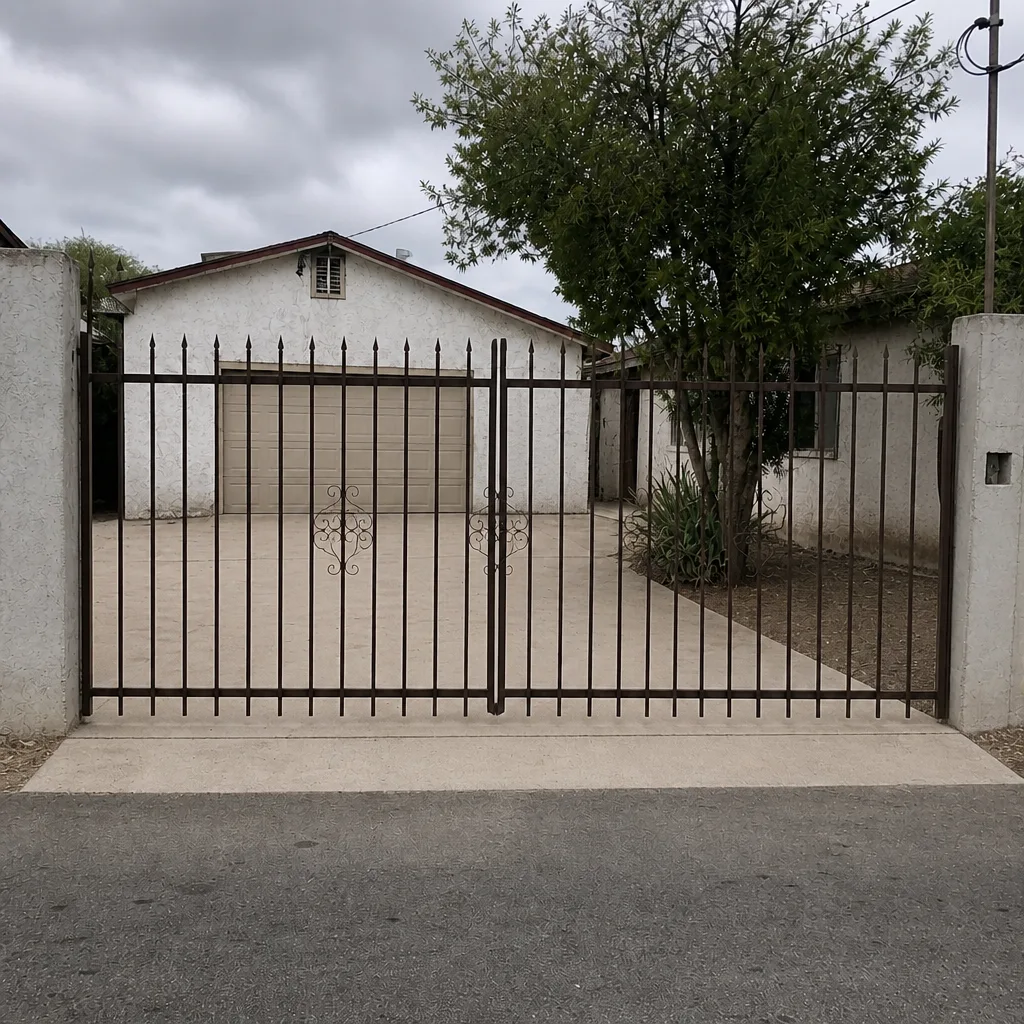
See the difference
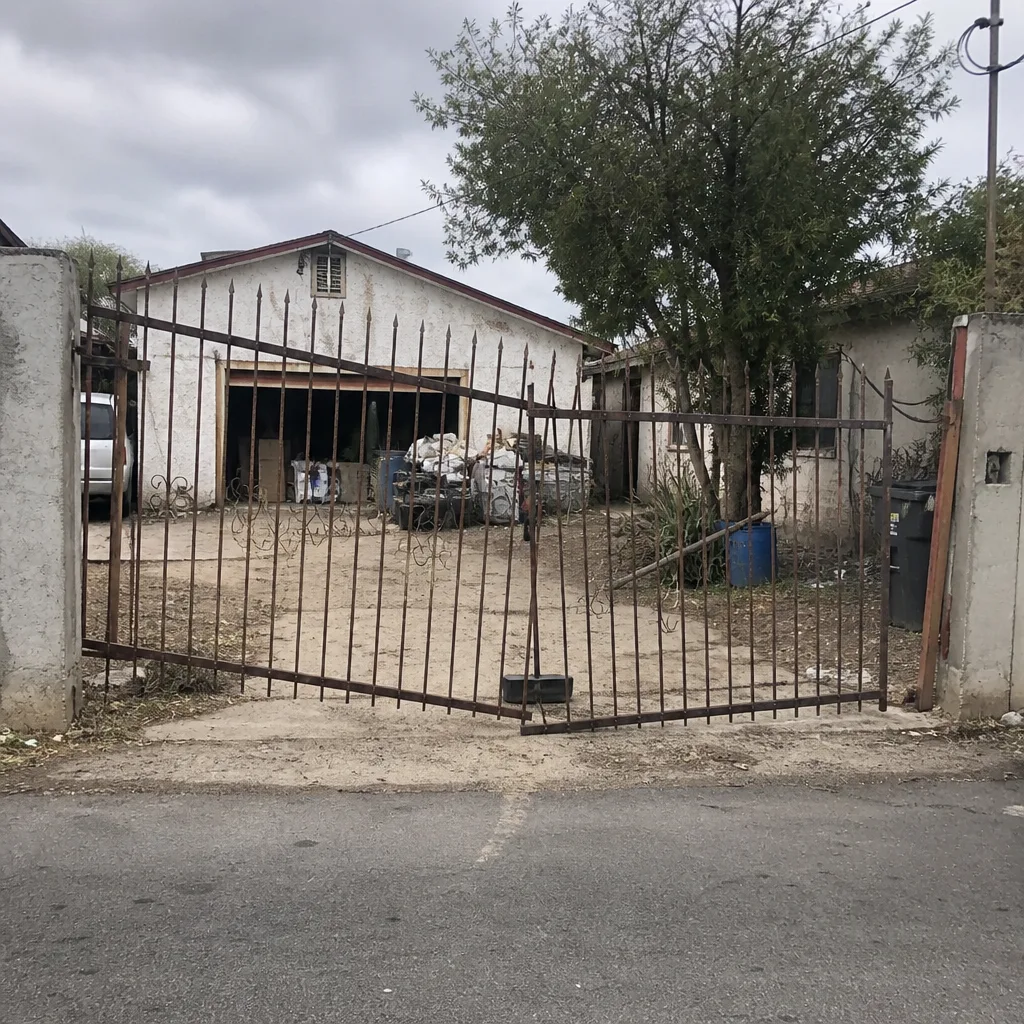 Before
 After
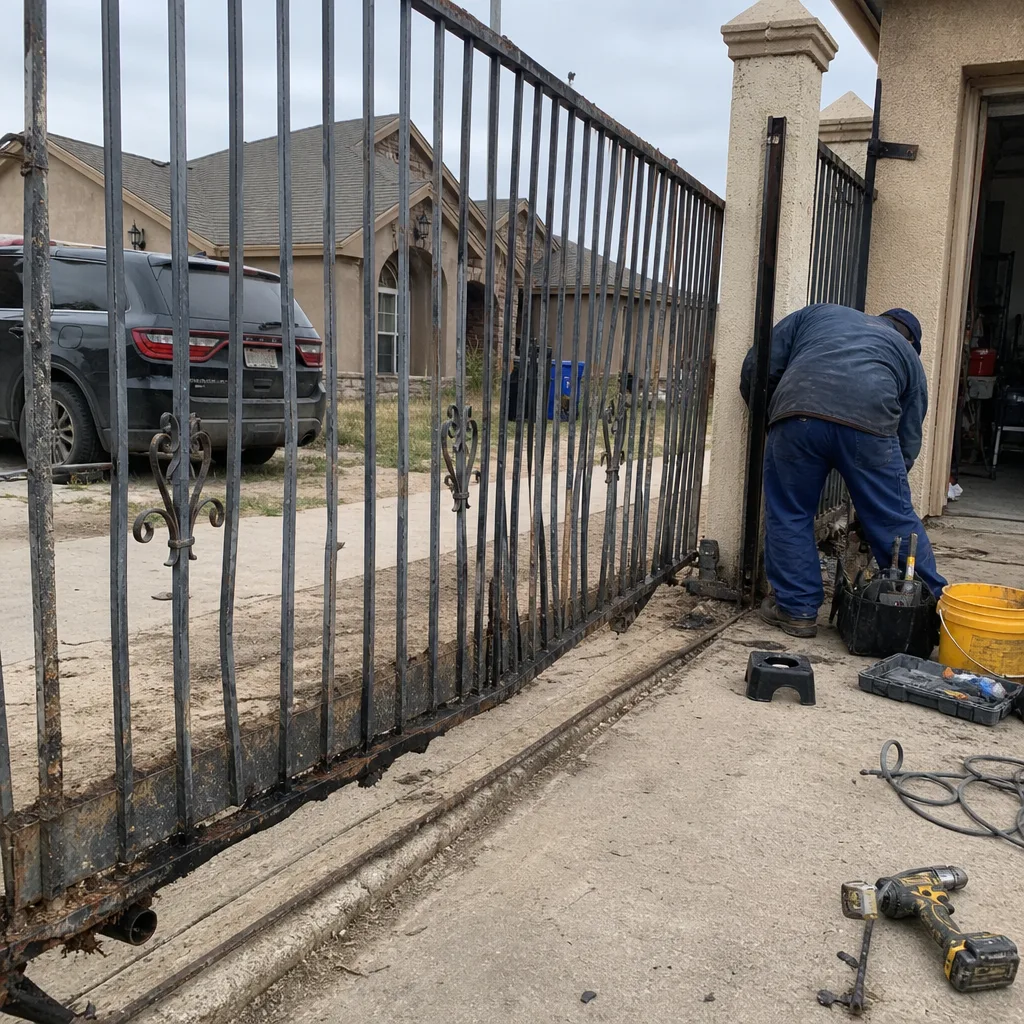 Before
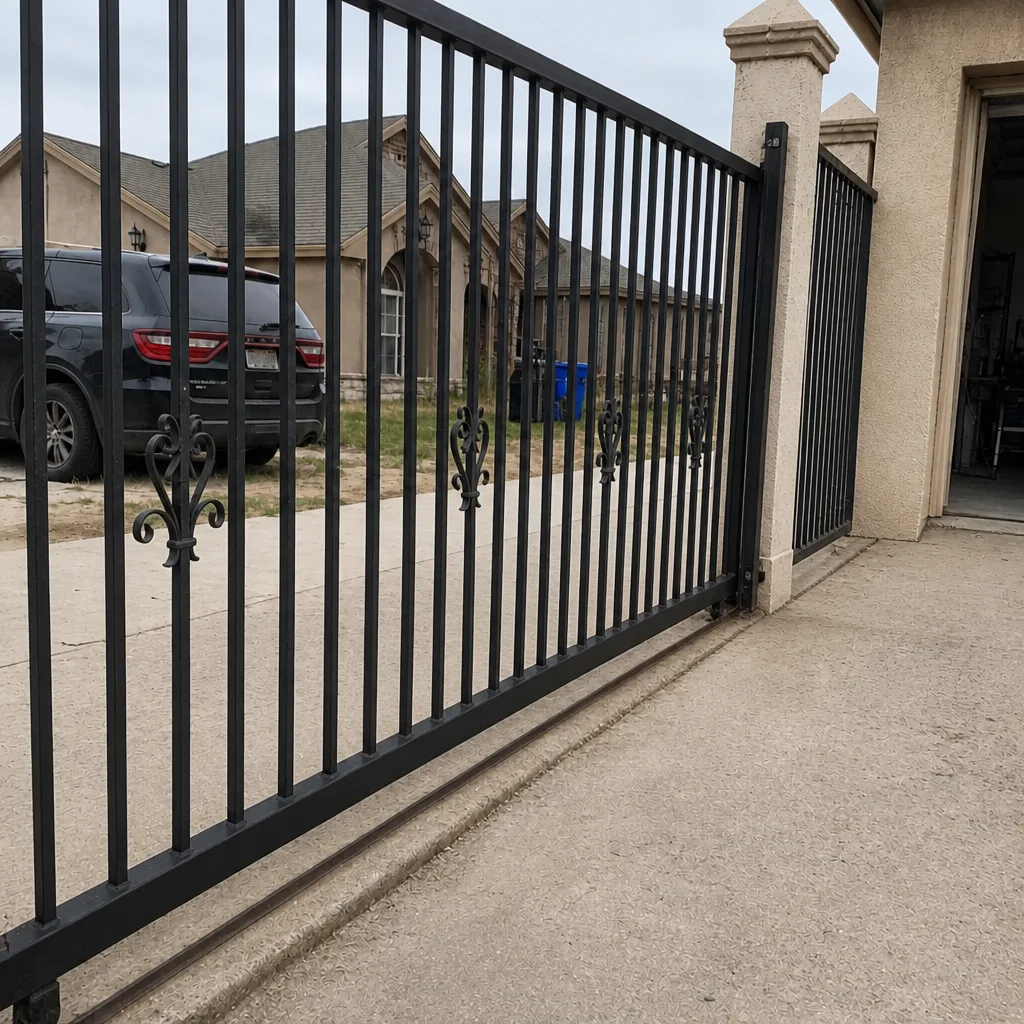 After
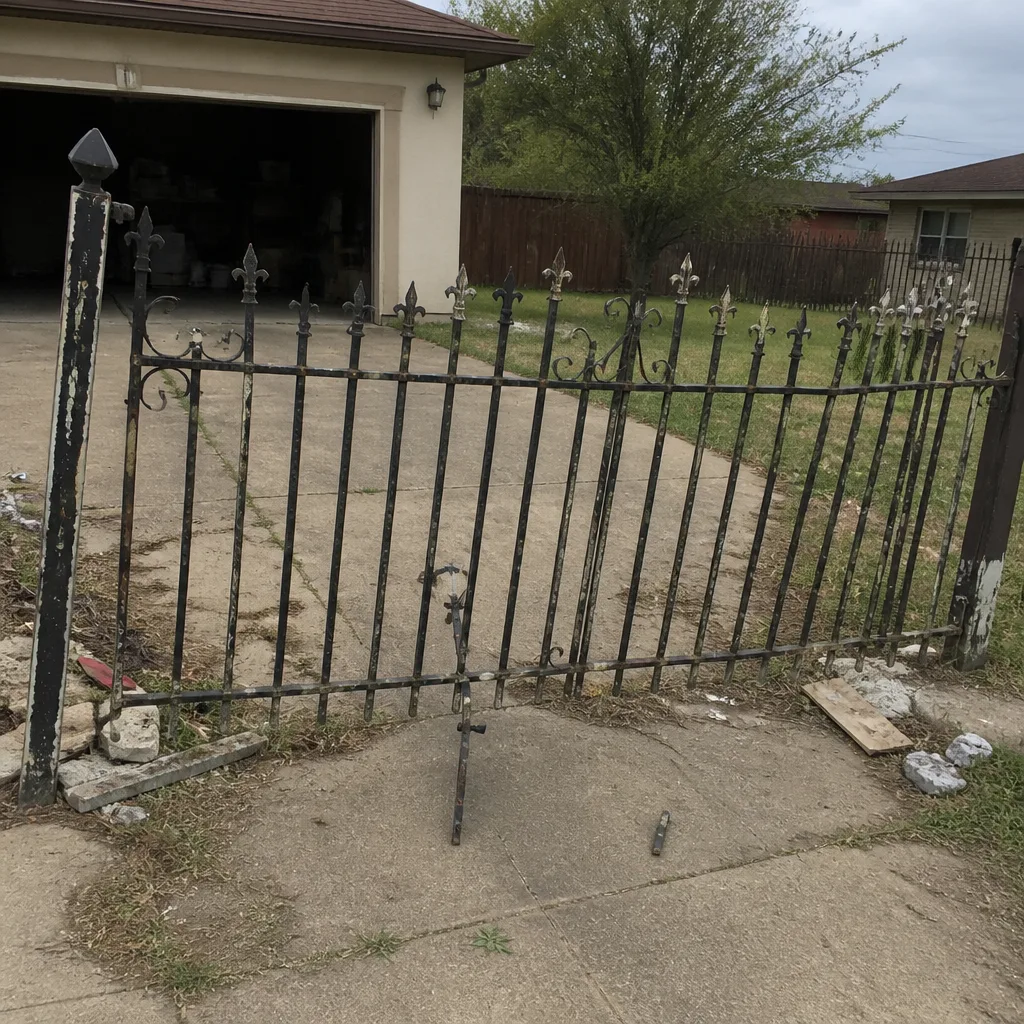 Before
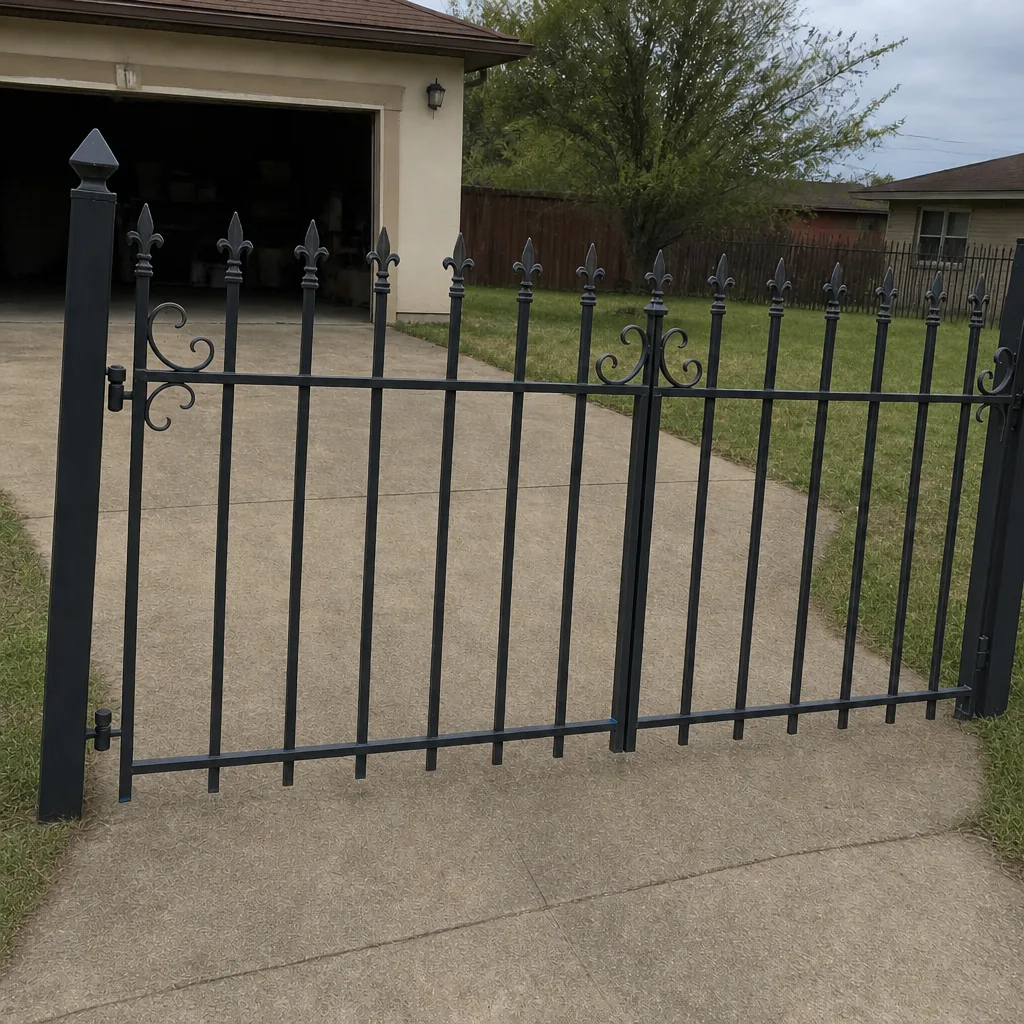 After